

Devoid of any original facets, we looked for hints of what may have been included in the original kitchen. The adjacent Butler’s Panty seemed the best indicator of cabinet style and scale. Behind a collection… More
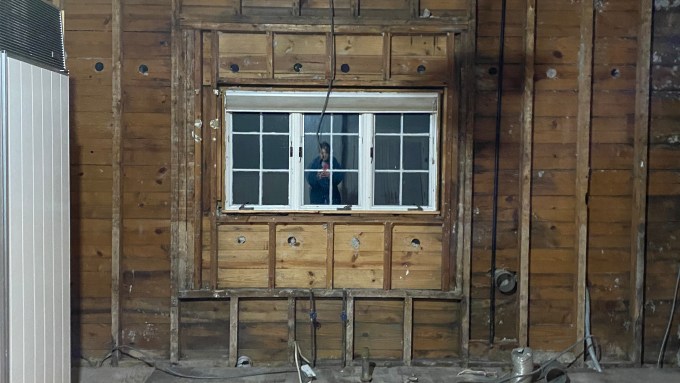
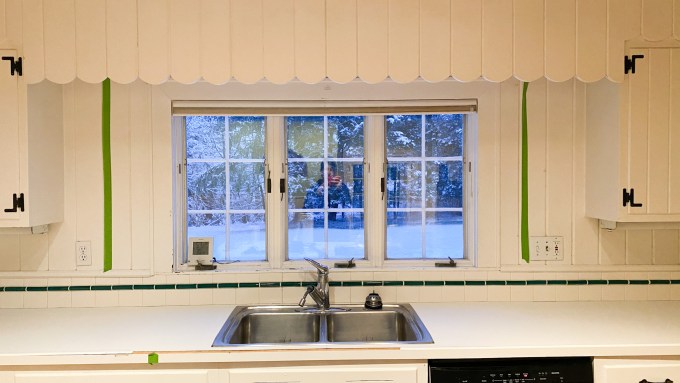
Shudder. Shutters.
In varying condition, the original shutters that adorned the front and dining room side of the house were removed prior to painting. As with the restoration of the Butler’s Pantry doors, our painter’s response to the question of stripping and painting them was, “It would be less expensive to replace them.”
Out of the question. If we have learned one thing in this process, it’s do your research. Builders, painters, and the local hardware store will always tell you to replace your windows, buy new shutters or get new doors and hardware. For a number of reasons house components 100 years ago are (almost) always better made than even the highest quality items purchased today). This includes wood siding, windows, doors, hardware and so much more. I will spare you the details in this post, but please reach out if you’d like to learn more.
Thanks to The Craftsman Blog, The Old House Guy Blog, and a number of other online resources, I learned a safe way to strip the numerous layers of paint and return the shutters to a condition where they can be painted and rehung.
Progress so far:
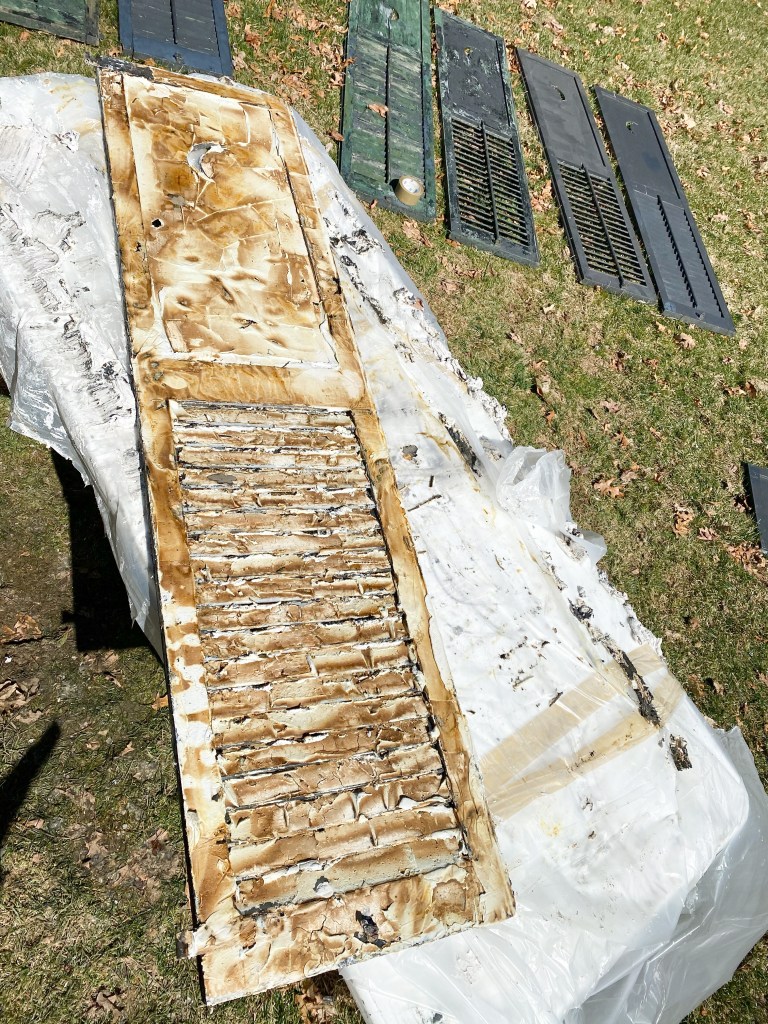
Covered in Dumond Smart Strip to safely encapsulate old paint. 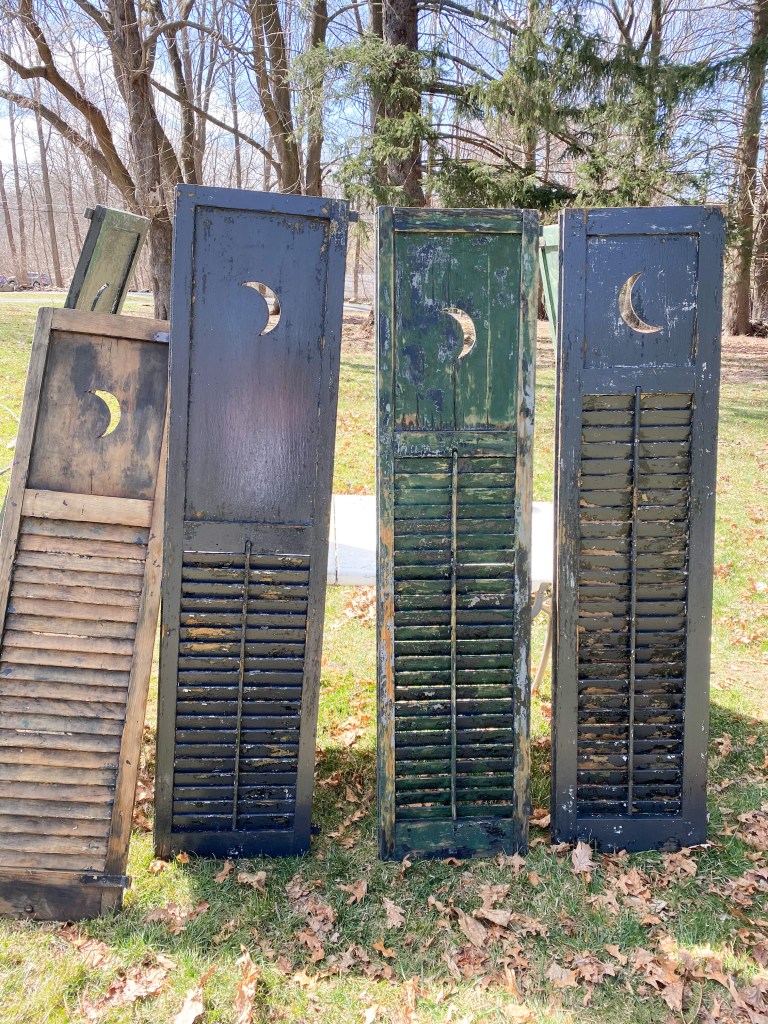
In various stages of the process. And yes, they are all slightly different . . . the next challenge.
Next: The outcome!
About Face.
A note: Wishing everyone good health. Dusting off the blog in an effort to be productive and provide a distraction. Thank you for following along. Some of this work was completed in the Fall, but several DIY projects going on now. Be well!
The upside of peeling paint is the opportunity to see the bottom layer. Our goal is to restore the house to its original state (to the best of our ability). So after some detective work we were able to find a color scheme close to the original, and forge a plan for the rest of the project.

The garage, although attached to the house (adjacent porch, turned breezeway, later turned combined laundry/mudroom) was added sometime in the 1950s. Someone went to great lengths to match the siding, although due to the low roofline (most likely low as not to impede the view from 2nd story windows), it seemed out of place.
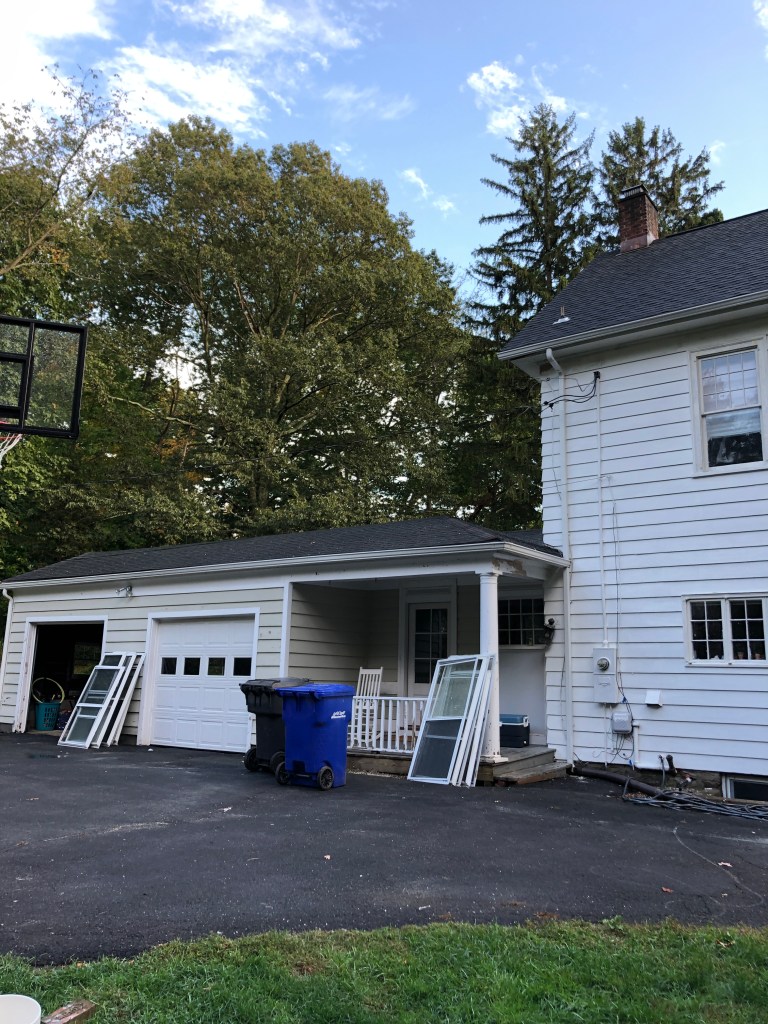
The goal: to create a more attractive garage to better reflect the time period of the house. In the 1920’s houses would have had a detached garage or barn or no garage at all. By changing the siding (we salvaged what we could for future projects) and painting it a contrasting color, we hope to accomplish a fresh new look.
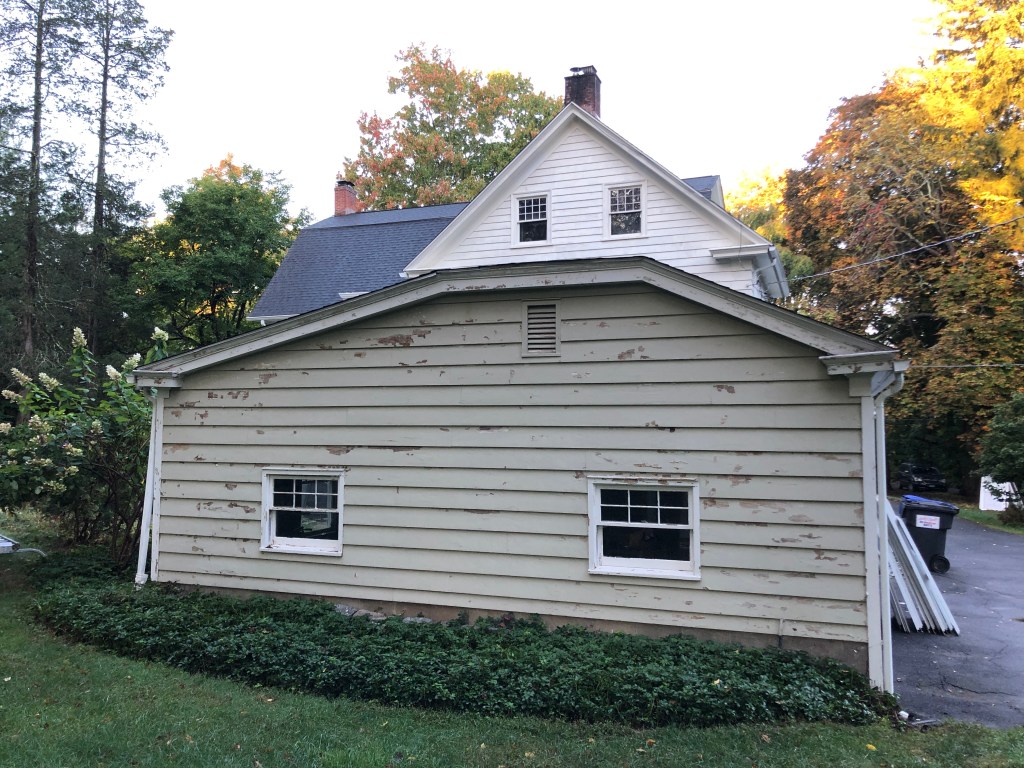
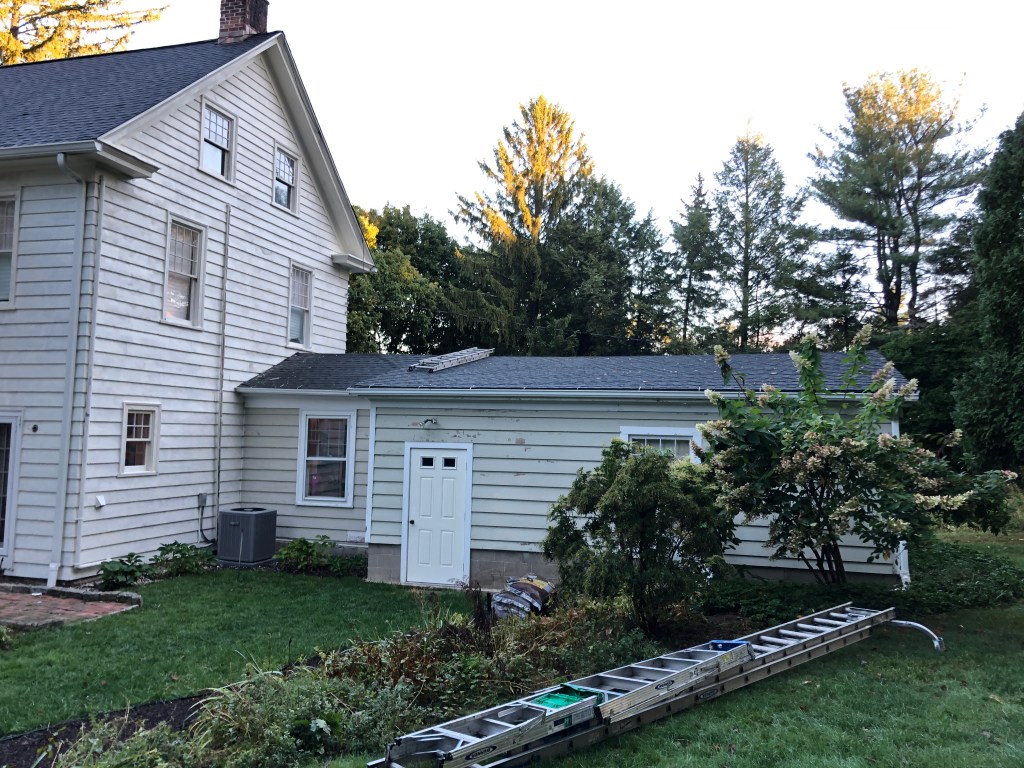
By adding varied width vertical boards, the garage looks less like an extension of the house and more like an attached barn.
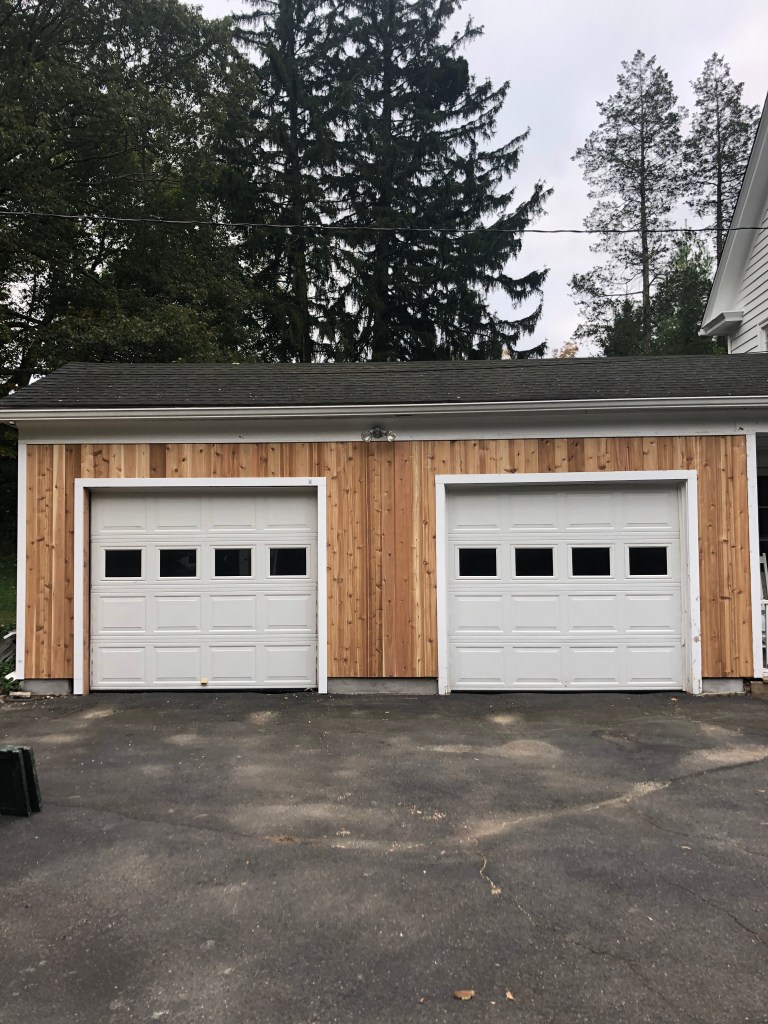

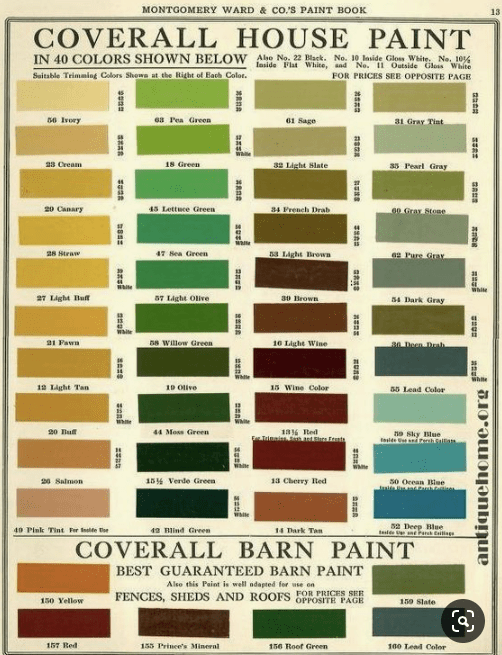
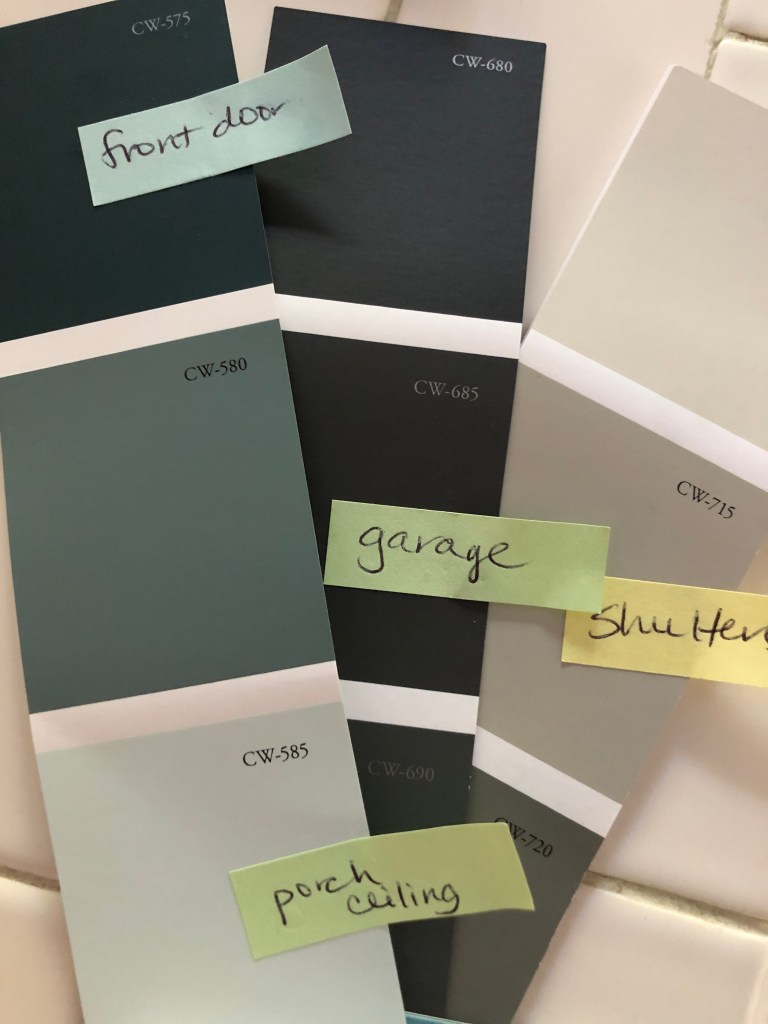
Color inspiration from a 1920s house paint book and choices from today’s color chart.
Next: the result!

Curb a-peeling.
No mispelling. Peeling paint is visible everywhere. The exterior is the final painting frontier. The inside has been painted from top to bottom and floors refinished. Windows restored to full working order and fun restoration projects in process.
The exterior, well, see for yourself.
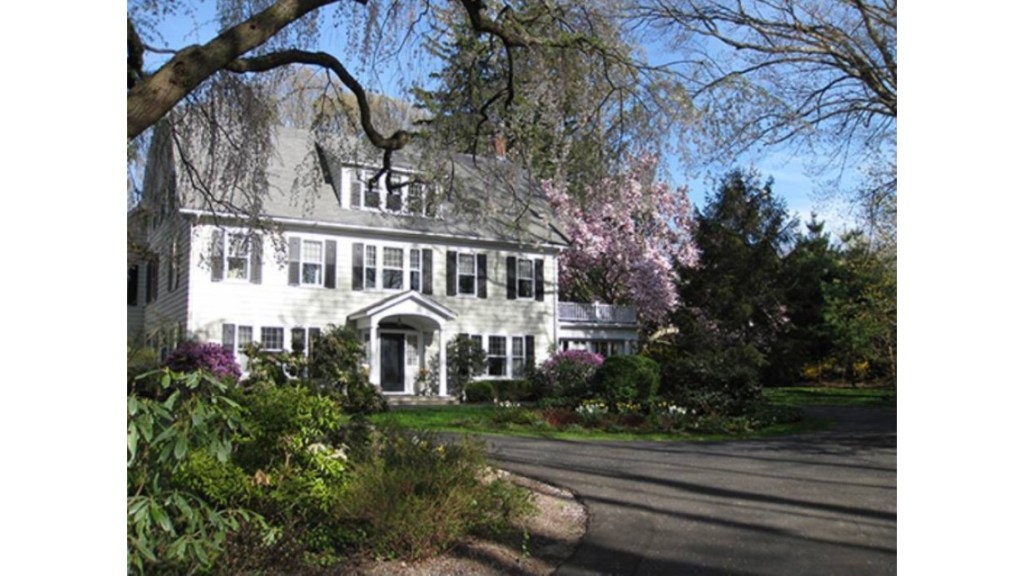

Sanding, scraping and prep begin:


Next: Fresh new look
Room by room.
The most daunting part of this process is that one project seems to lead directly into the next. Just as we are making use of the wonderful new laundry room, we are taking down walls in the basement and so on. The dressing room in in the works, but in the mean time . . .
With the help of a dear friend (and neighbor), it’s time to tackle the 3rd floor project with a goal of planning and completing one room at a time. The walls are painted and the floors redone, there is existing furniture, and some additions to be made, but no finished product.
First on the list, a combined home office, homework zone and craft area. Some pictures of the empty space . . . utilizing existing furniture, online shopping resources and a little creativity, time to check this project off the list.
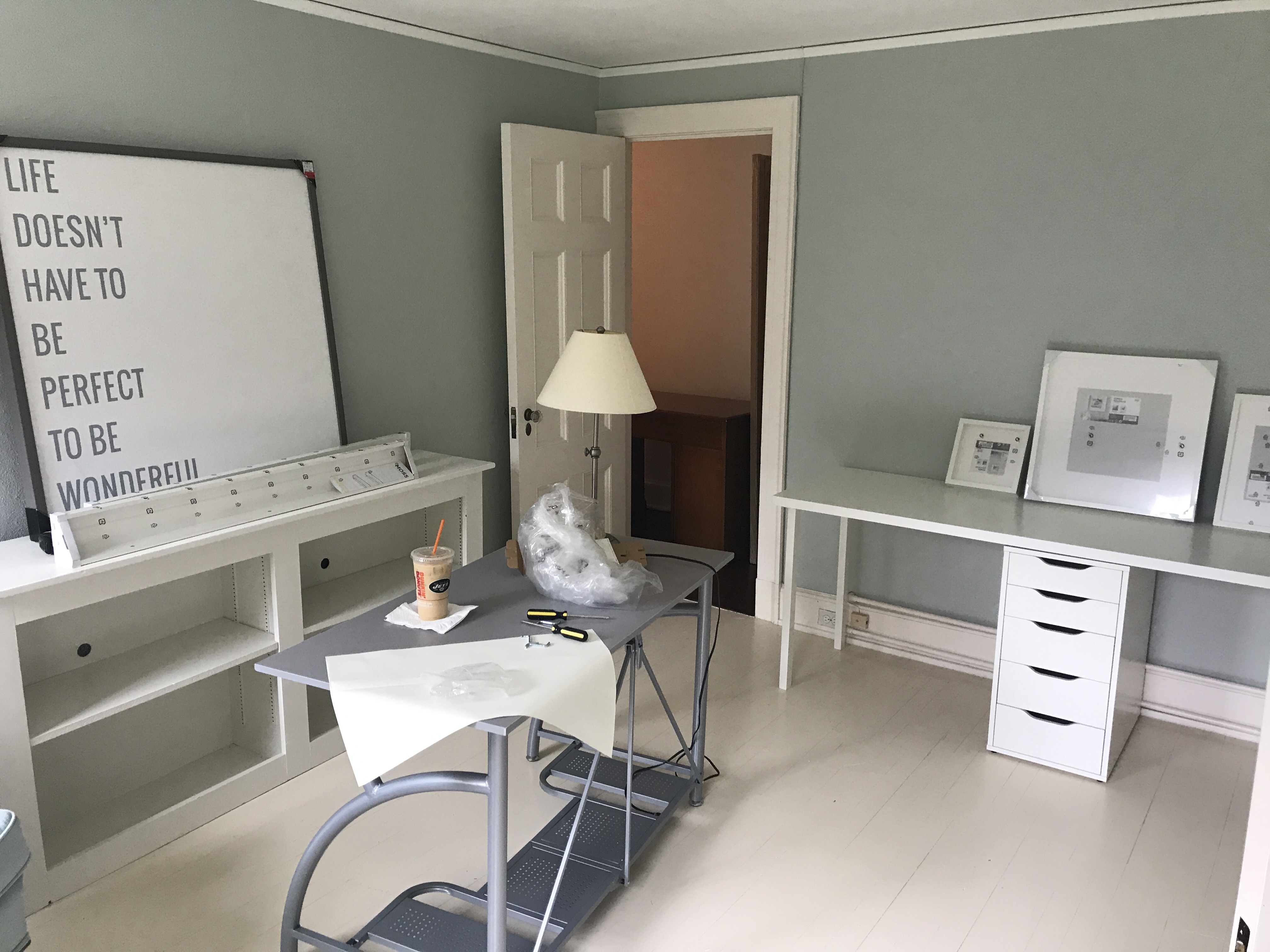
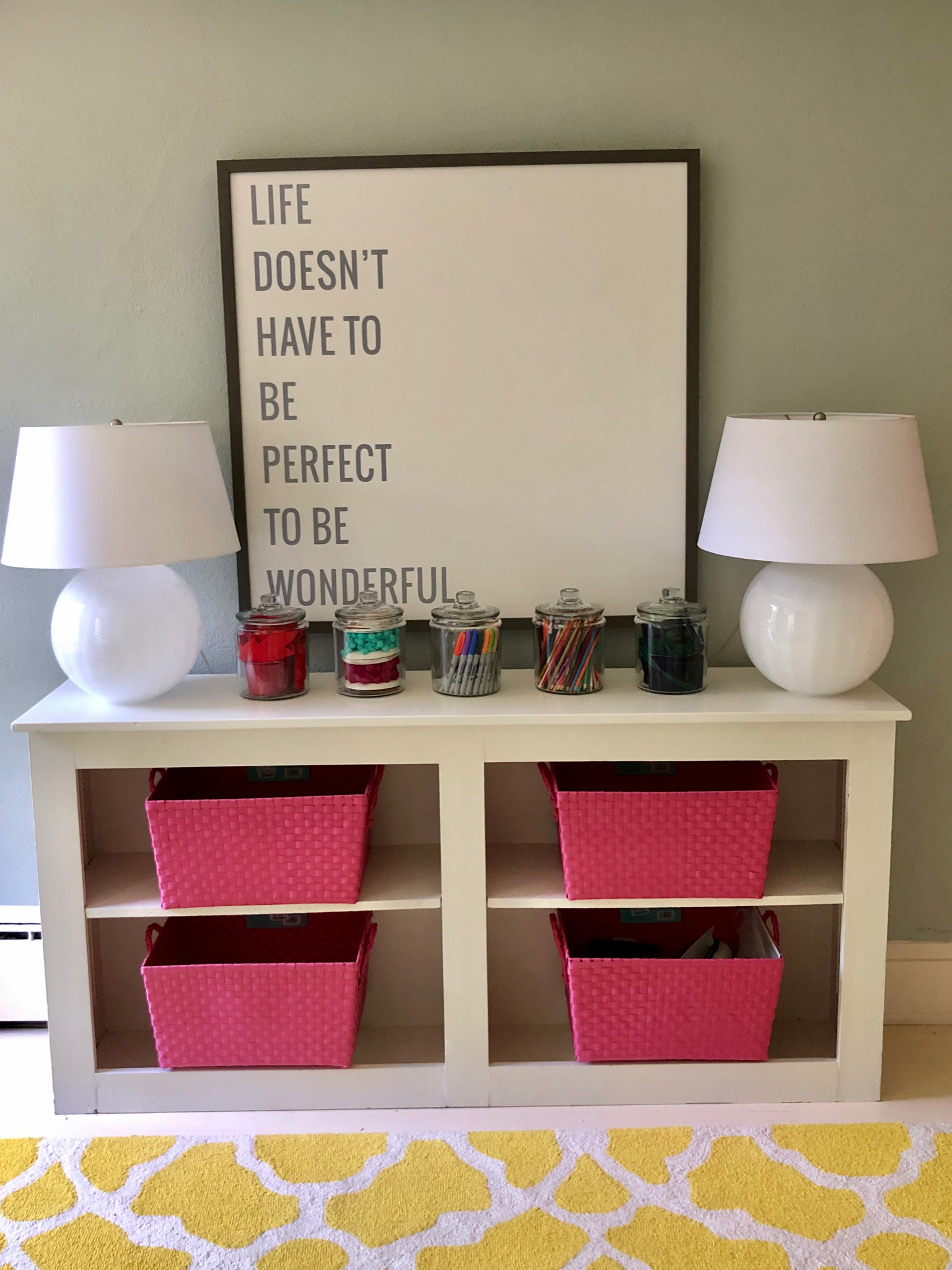

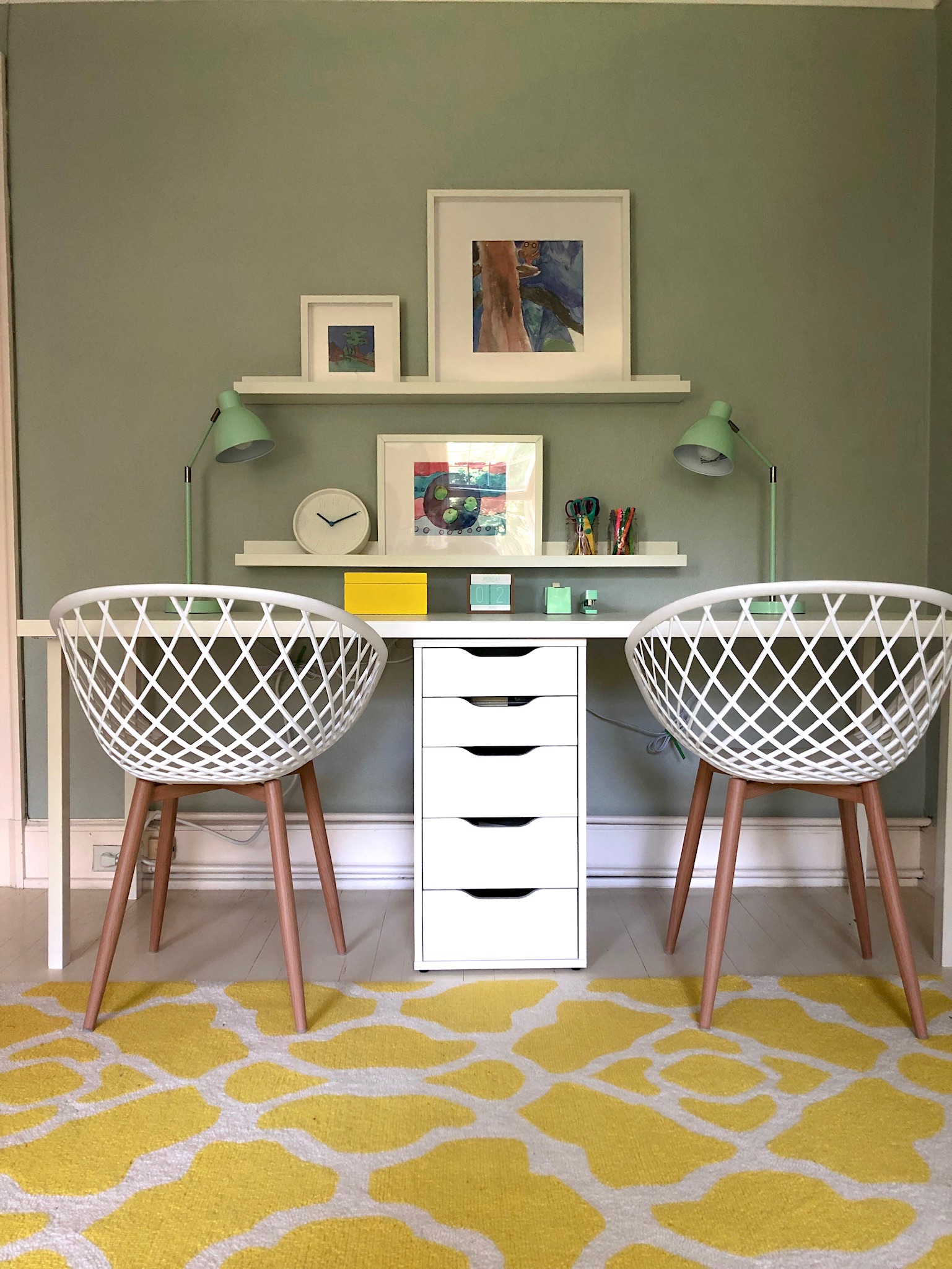

next: the tweaked home.

Easier said than done.
Space planning is simple once demo is complete, or so we thought . . .
Now for a problem solving exercise:
Square shaped room (almost) with three interior doors (bathroom, hall and bedroom), one exterior (access to area above screened in porch) and two windows. Hmm. Conventional closet solutions make use of small, well defined areas with lots of wall space. Not exactly the Branchville 1923 scenario.
The original plan was to use cabinetry similar to that from the mudroom renovation. The possibilities were gorgeous and endless, but created a space more specific and costly than desired. After extensive internet elimination (the hours of internet searching only to eliminate possibilities, not resulting in solutions), I stumbled upon a local expert to help.
Closet Factory, a national company, with a locally owned branch sent a designer to the rescue. While the company primarily works with modern materials (melamine, etc.), their local craftsman were willing to create a solid wood alternative in order to achieve our main goal, a modern functional space with the look and feel of an original feature.
The proposed plans:
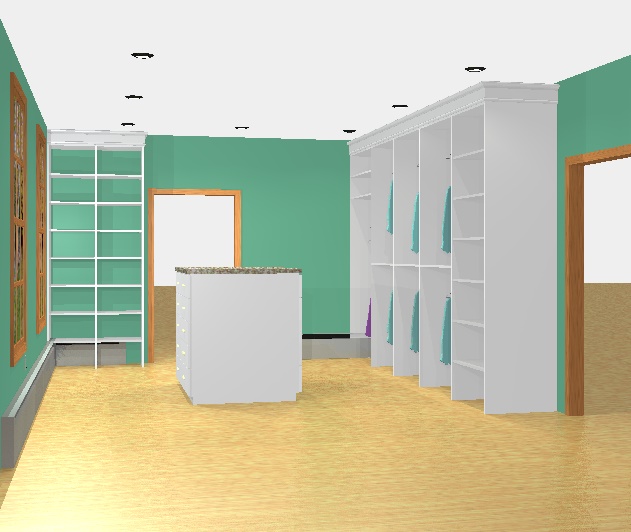
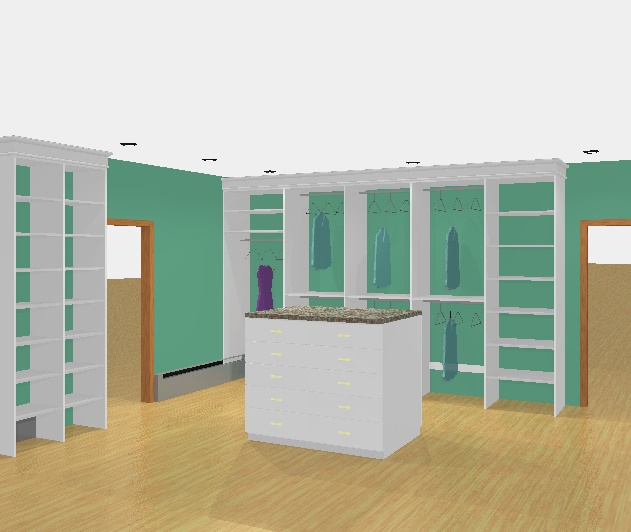
Next: A colorful dilemma.

Blank slate.
For some it’s January, but with school aged kiddos, the Fall signals the start of a new year and time for a fresh start. What began as a simple closet clean out became a construction project- less than efficient master bedroom closet be gone!
The master is divided into two almost identical sized rooms. One a bedroom, the second a “closet” or as I like to refer to it, dressing room (sounds much more 1920’s). This dressing room also serves as the pass through to the bathroom. With every project, our goal is to maintain the integrity of the home’s original craftsmanship. As such, anything we do needs to be relevant to the year of construction (evidenced by our painstaking window restoration last year). As a result, we will likely never reconfigure the space to include a spa like master bath, the existing one is redone and sufficient. So why not make the closet something fabulous?
The original state.


Initially we removed the mirrored closet doors, vanity and painted the space.

This weekend we emptied the space of its contents (lots and lots to donate) and kept only what we use. Then a call to our favorite contractor, and in less than one day all existing closet components and walls were removed. The result, a blank slate.
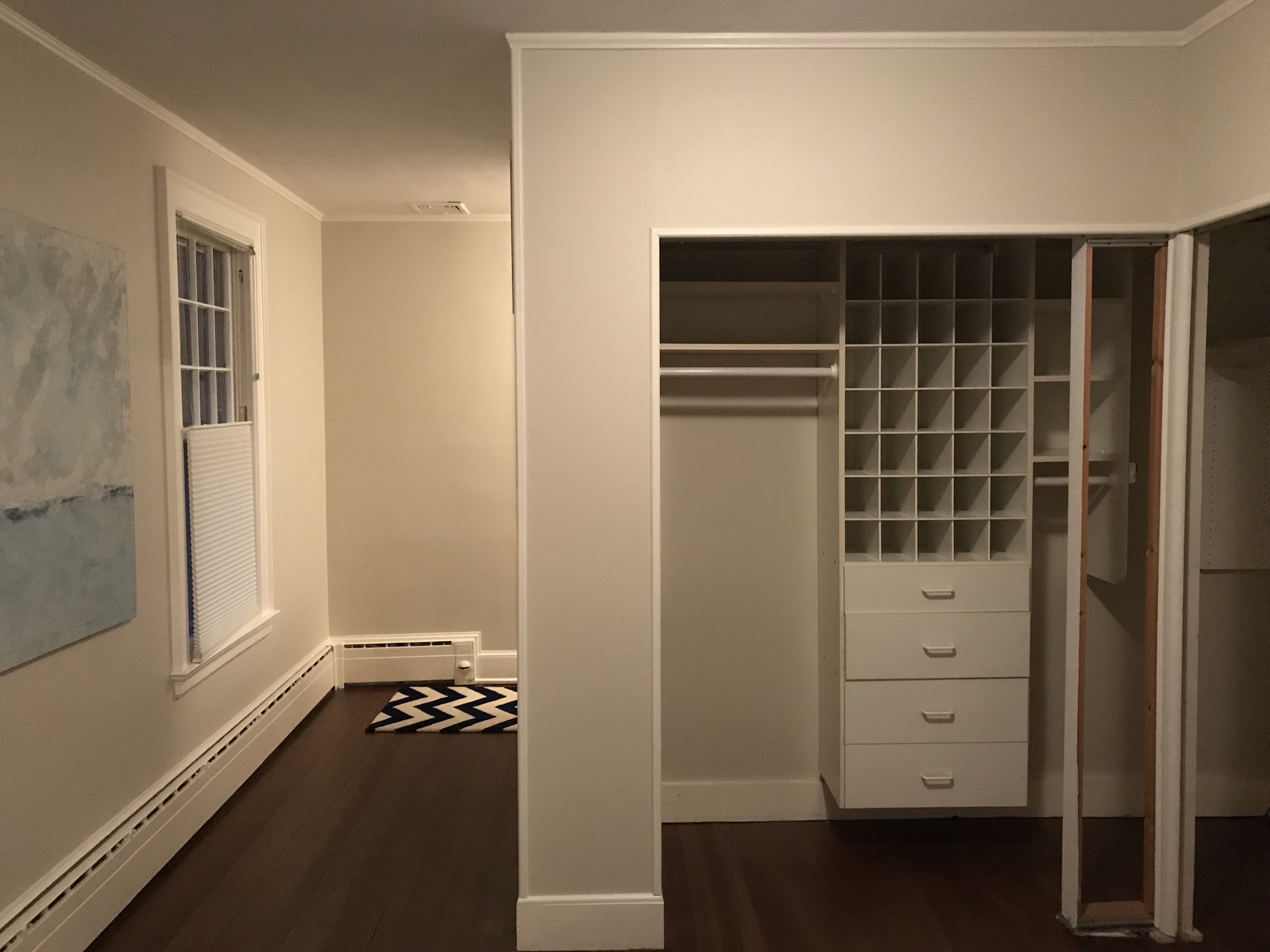
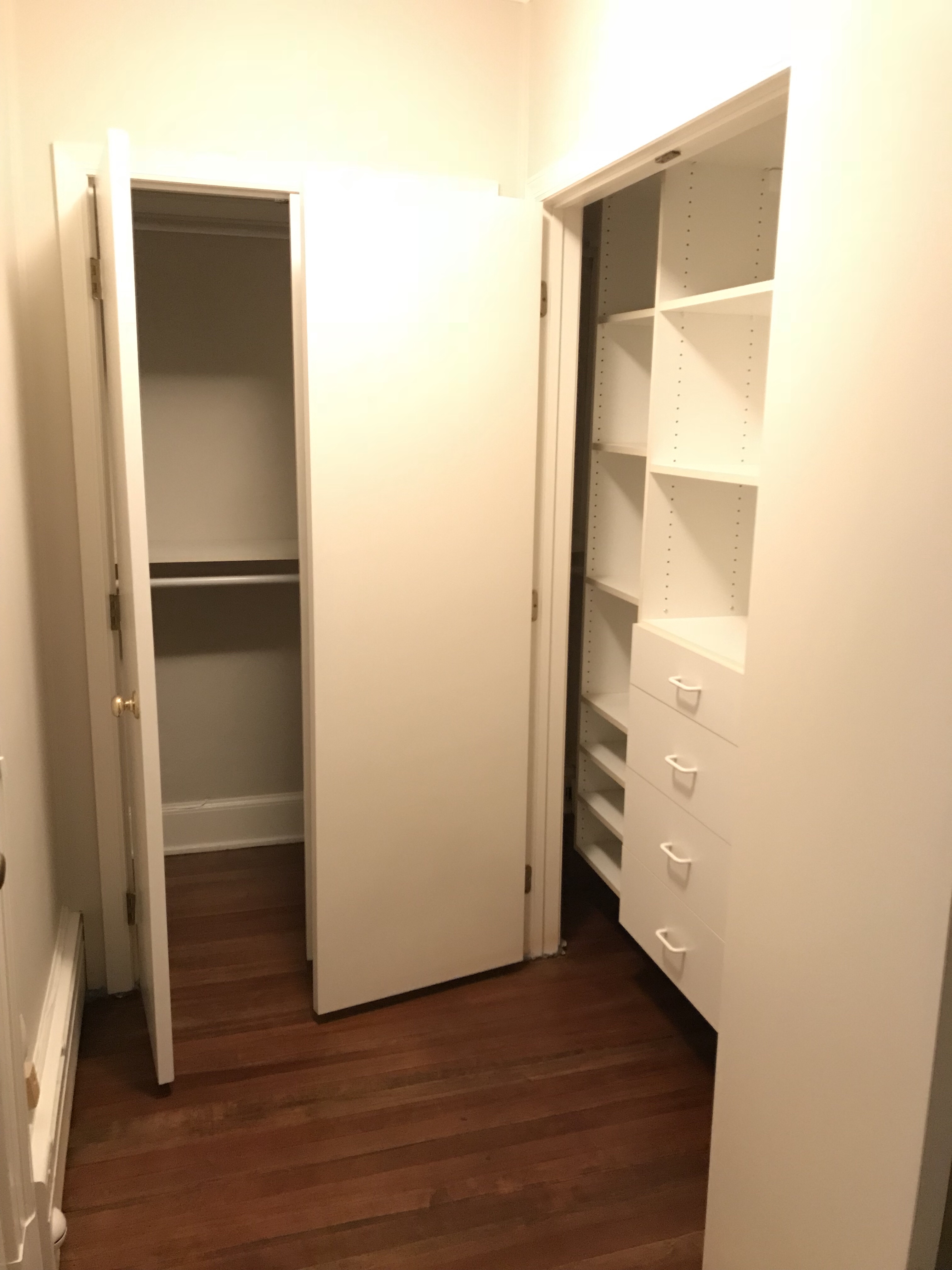
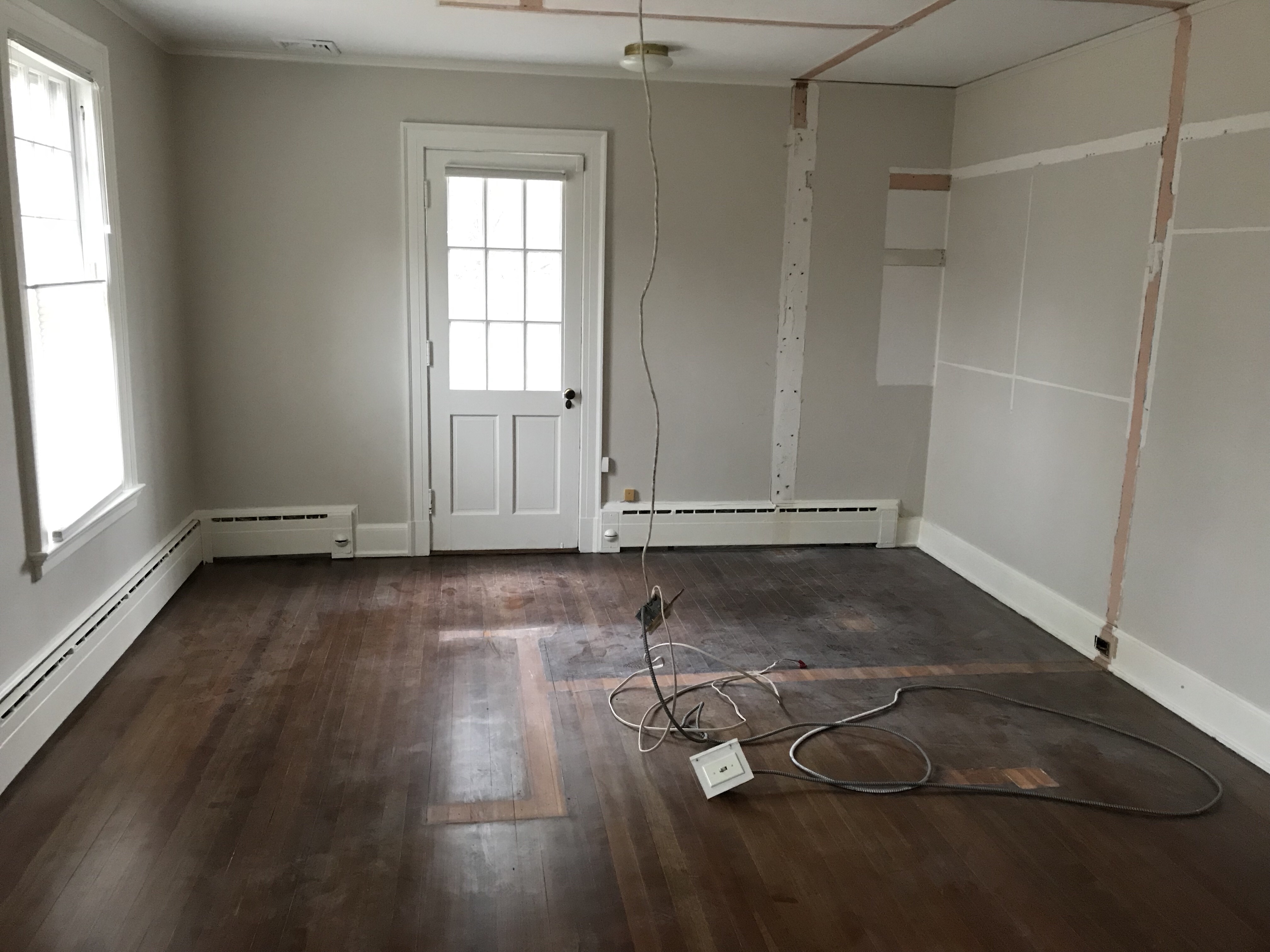
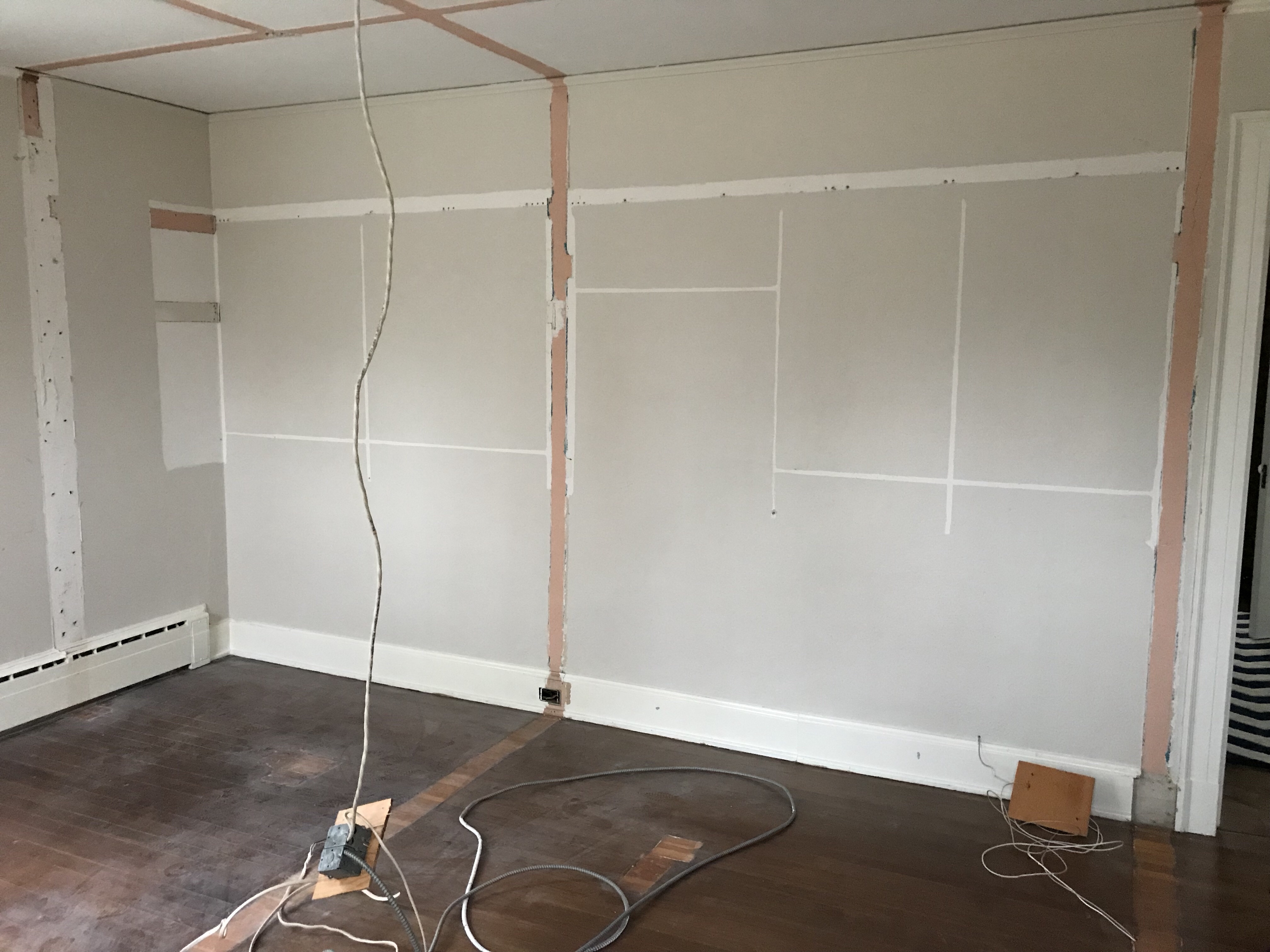
Next: prep and plan.
(Never)ending project.
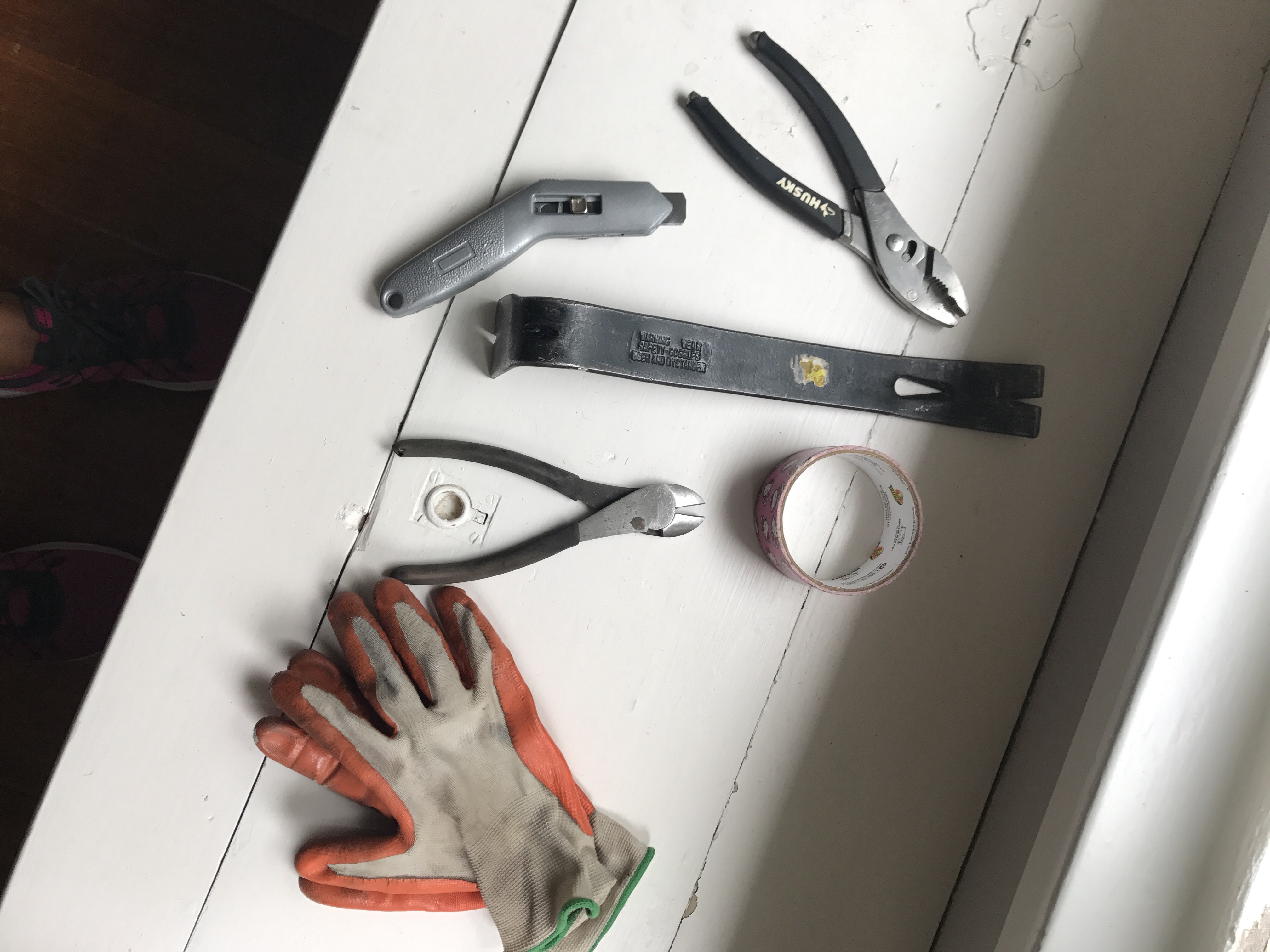
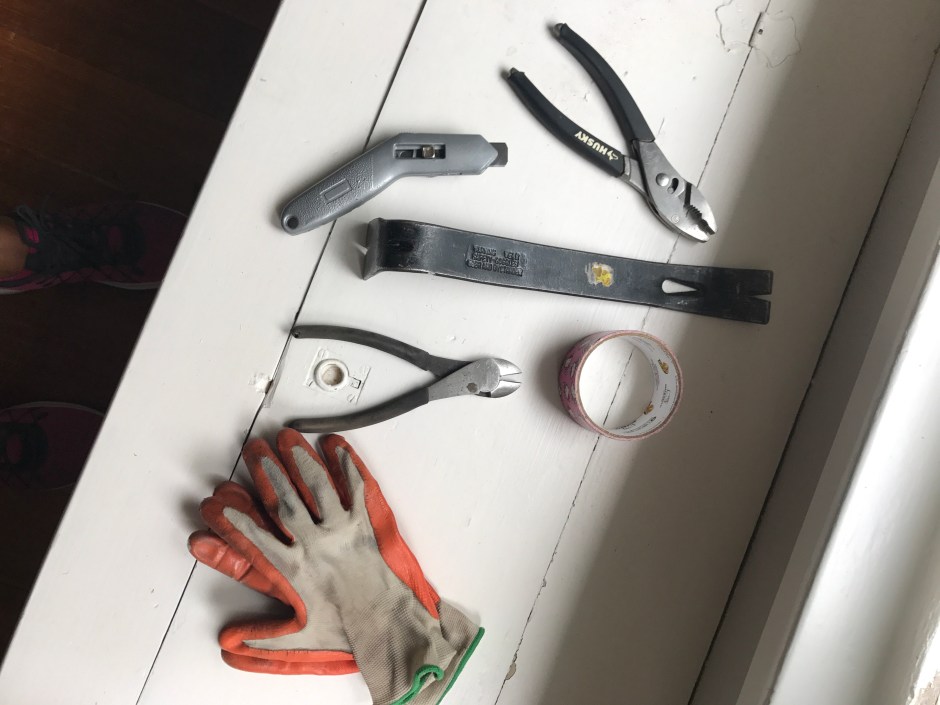
Warning- this post contains nothing pretty. The fun part comes next!
Flashback to a year ago. Time to paint the 3rd floor. Something easy to check off the list (or so we thought). After a few failed paint samples, a call to Molly Hirsch Interiors resulted in a color palette that worked beautifully for the space, and not at all the initial direction (this is why calling in the experts is always a good idea).
The crisp new color scheme now called attention to the existing wall to wall. So, a project within a project is born (there should be a word for that).
Seems every house we buy has some 20 plus year old carpeting to remove. Time to teach the kids how to cut, roll and dispose of carpeting. Or should I say show the kids how to do it and then complete the project ourselves.


Alas, the corner that led us to believe the floors were in great shape, made way to floors that needed lots of TLC. Time to refinish.


The outcome, a fresh new look for an old space.
Next: the results, room by room.
Featherfest.
In January the chronicle of our restoration Branchville 1923 officially began. While the projects aren’t moving as quickly as I would like, the story of our imperfect restoration adventure is incredibly fun to share. The greatest reward is hearing from friends who are reading along!
Some exciting surprises in the process:
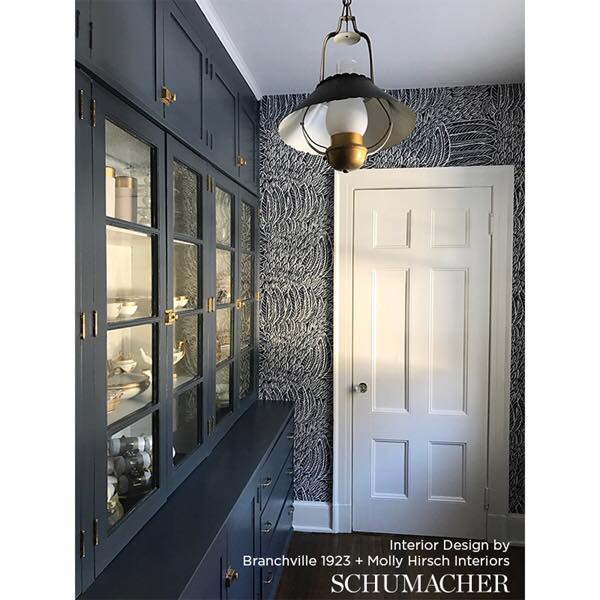
The Butler’s Pantry post photo was picked up by the Schumacher company for their Instagram account (the power of social media is amazing). An email from their creative team requested to include the blog photo on the lifestyle section of their website.
As if that wasn’t exciting enough, several months later Schumacher requested permission to share the photo in their new book, “The Schumacher Library of Wallcoverings.” This modern alternative to the traditional wallpaper book, includes photo inspiration in real homes around the world.


Thank you for sharing in the journey and for your support along the way. Many, more posts to come, 3rd floor, basement and so much more!

Raise the roof.
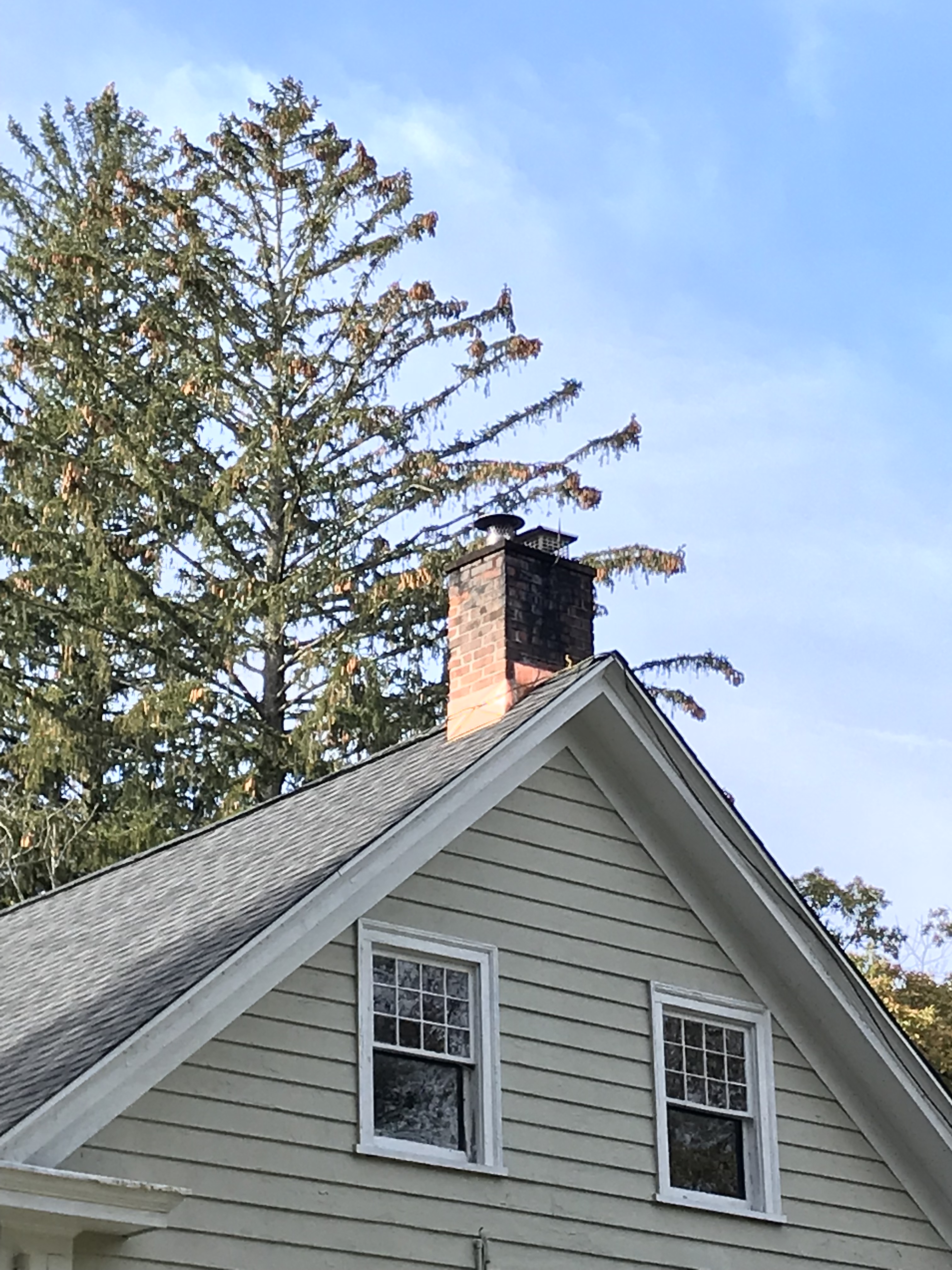
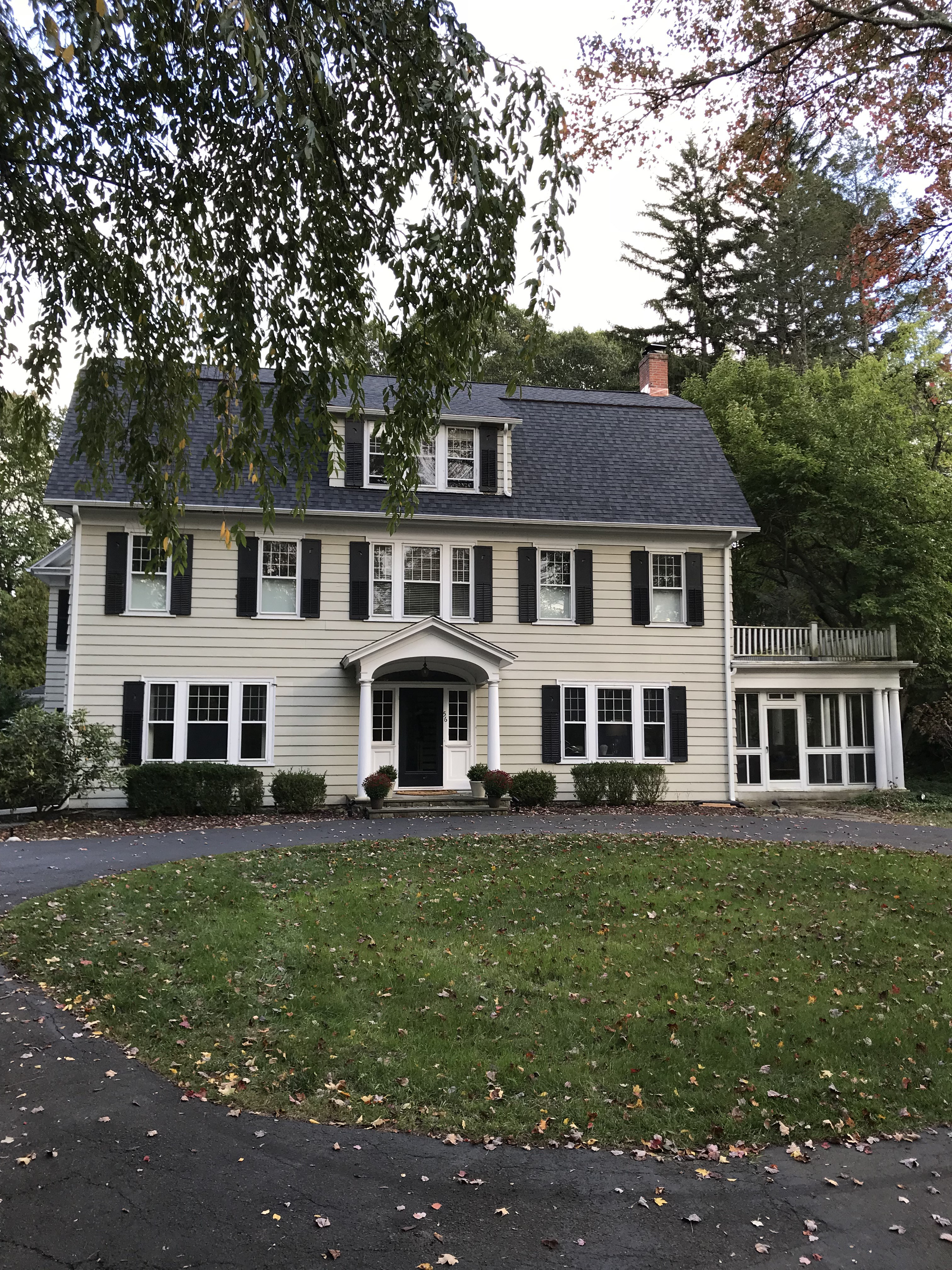
Beautiful. Exciting. Necessary. At inspection we were told two years (at most) left in the existing roof. A wild summer wind storm created a bald spot and shingles scattered in the yard, so yet another low priority project takes precedent over a fun one!
Even after several homes and many home improvements, this was our first roof project. After (exhaustive) research, some things I learned and questions to ask of roofers (or contractors) you interview.
- Licensed and Insured? Ask for proof.
- References? Request several and check them.
- How long have the employees worked for the company? If the answer is more than several years, you’ll know the contractor likely pays their crew a fair wage and has good business practices.
- Shingle type? Color and style should be up to you, but every roofer should have a preferred brand. Ask them what they use and why. If the roofer says, it doesn’t matter, think again.
- How many feet of ice and water shield? Check local code (your roofing contractor will know), but more is better in snowy regions. We added extra above the dormer window due to the low roof pitch.
- Itemize it! Request an itemized estimate. Chimney flashing and gutters may not be included and should be inspected (and if necessary replaced) during the the roofing process.
- Clean up. Roofing is messy. Nails, asphalt, tar and more. Ask what the contractor’s protocol is for clean up. A magnetic roller is the only way to guarantee a thorough job.
Glamorous, no, practical yes! Process and finished product below. And yes, highly recommend Chris from Able Roofing.



(Two) many knobs.
Indecision or changing tastes? Neither.
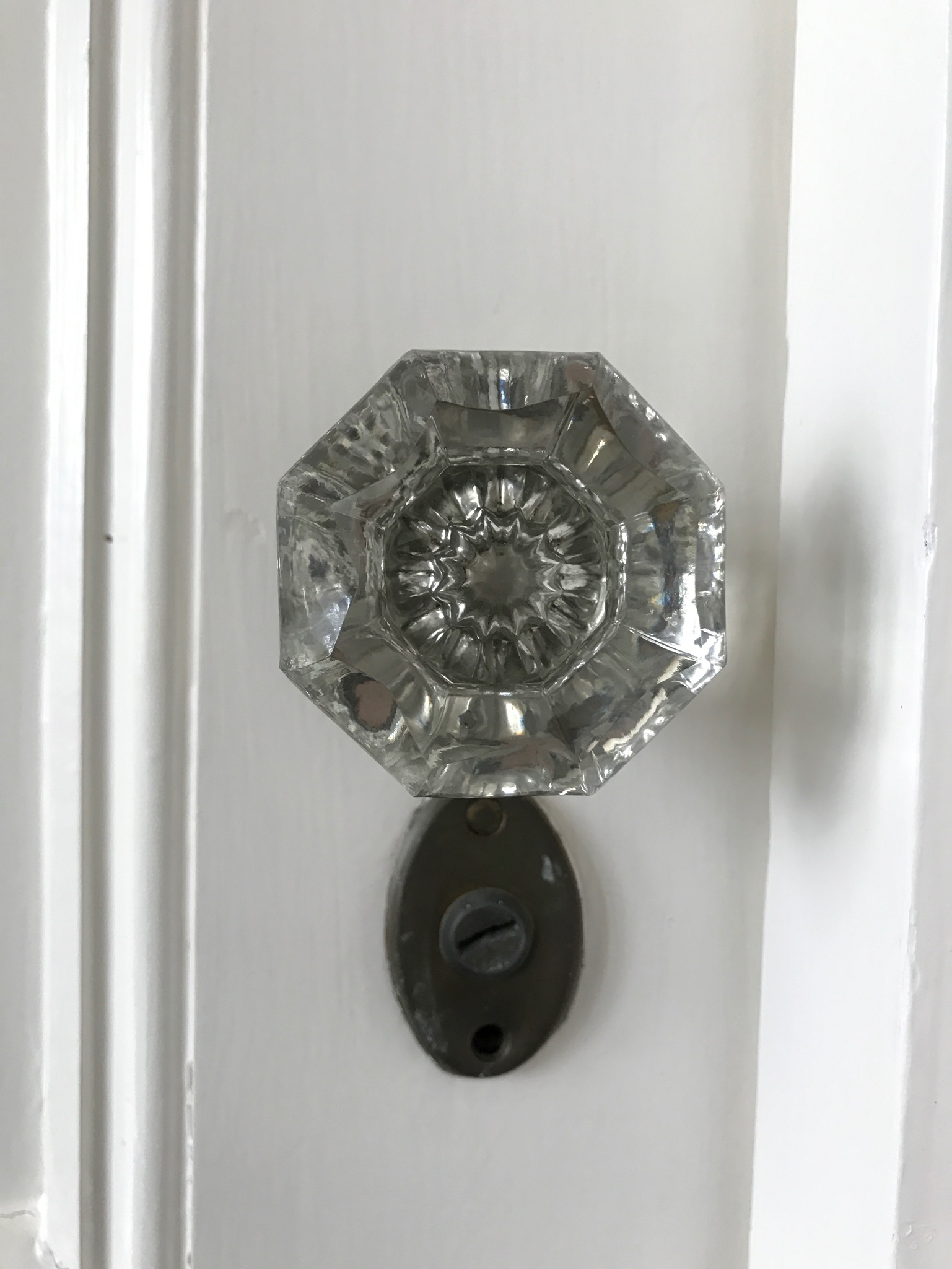
Similar to those mysterious floor holes, there is a strange, but consistent pattern involving two varieties of door knobs in the house. Most are beautiful glass knobs, the others simple metal ones.

Our contractor and old house guru was the one who had the answer. Here is the story along with a few other old house facts:
While production of glass door knobs began in 1826, their popularity hit its peak during World War I when metal was in short supply. Sand, still readily available, made glass an affordable and common choice. Connecticut based Yale and Towne Manufacturing Company was one of the leaders of knob production in the United States.
Then why aren’t all the knobs glass? For one practical reason. Homes, including Branchville 1923, were coal heated. Therefore, the staff was in regular contact with soot. Rather than clean the knobs each time they entered a room, those frequently accessed rooms: the linen closet, kitchen, Butler’s pantry, and dumbwaiter, were metal knobs to disguise the dirt!
So practical!
Up next: We’re wrapping up the third floor transformation- stay tuned for all the details and the finished product!
 branchville1923.com