No cooks in this kitchen.

When the house was built, there was a basement “summer” kitchen, complete with 48 inch soapstone sink and dumbwaiter to the first floor. With stone walls and iron windows, this space is still pleasantly cool in the summer.

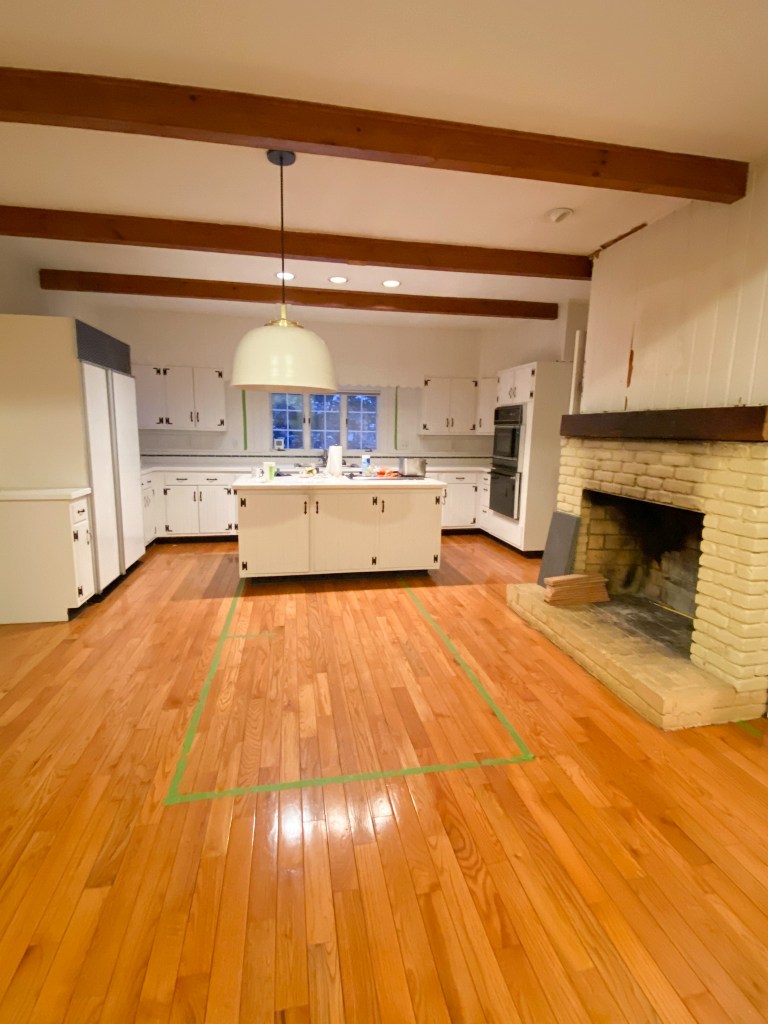
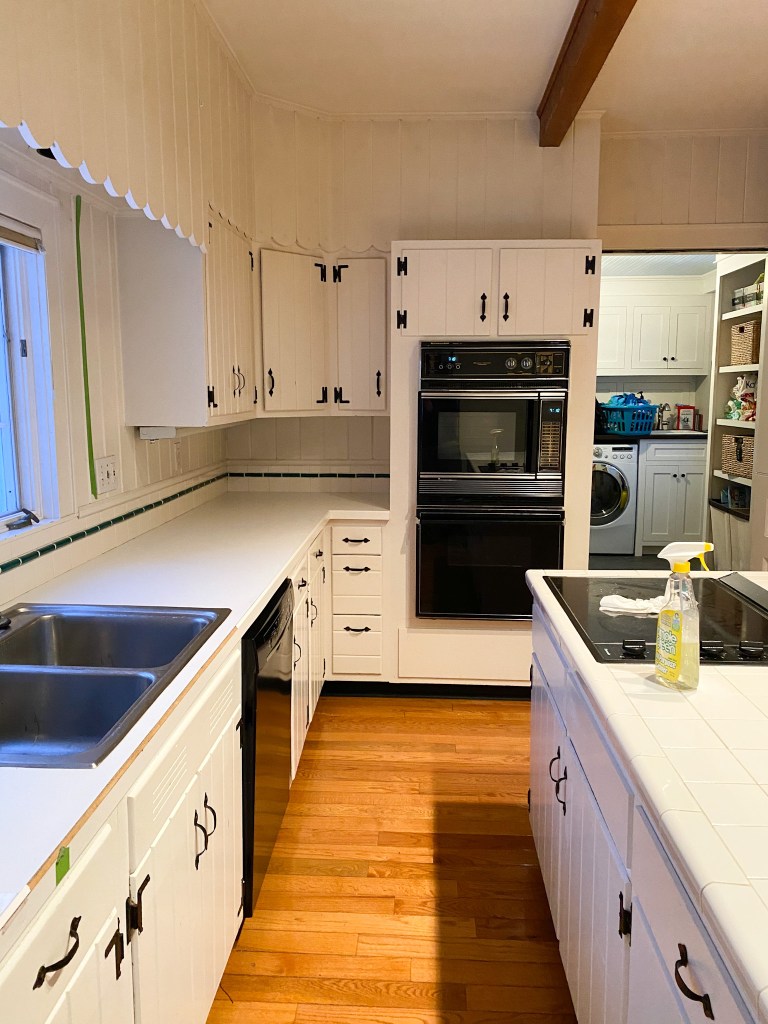
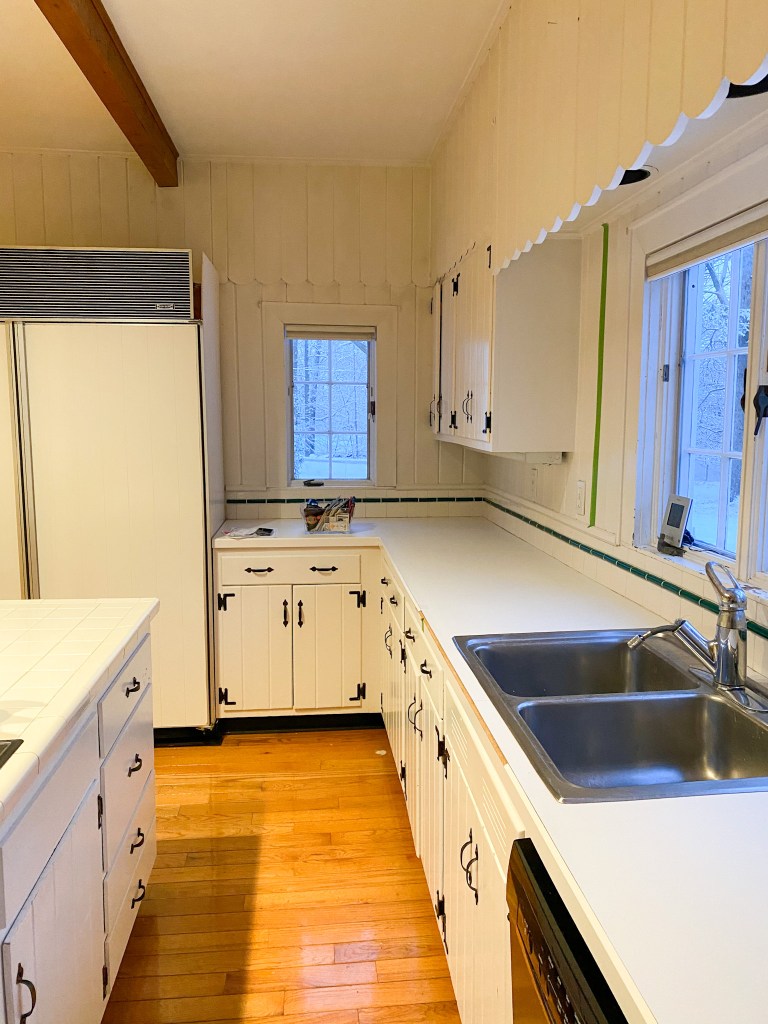
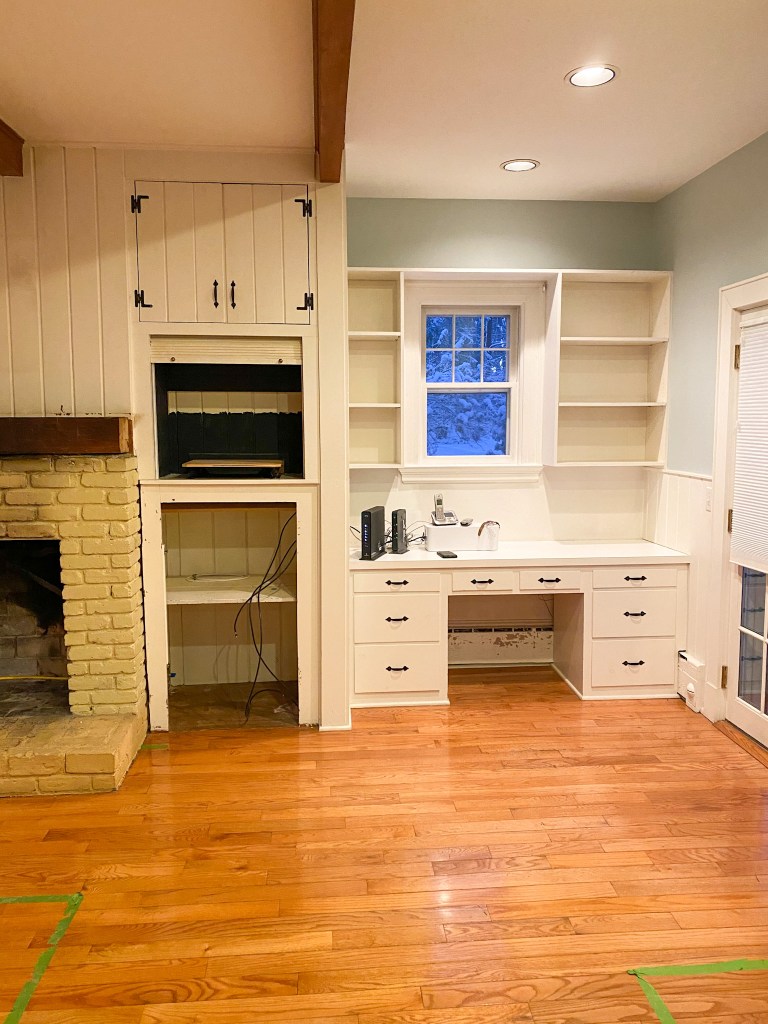
The current kitchen (located on the main floor), features knotty pine cabinets most likely added in the 1950’s. When the house changed hands in 1990, a refresh of the kitchen included pre-finished oak floors, state of the art appliances (for the time) and an island with white ceramic tile and grout.

In the five years since we moved in we have completed numerous projects, some pretty (floors & interior painting, Butler’s Pantry restoration, mudroom/laundry room and exterior painting) and others not so pretty (window restoration, heating and air conditioning systems, roof, etc).

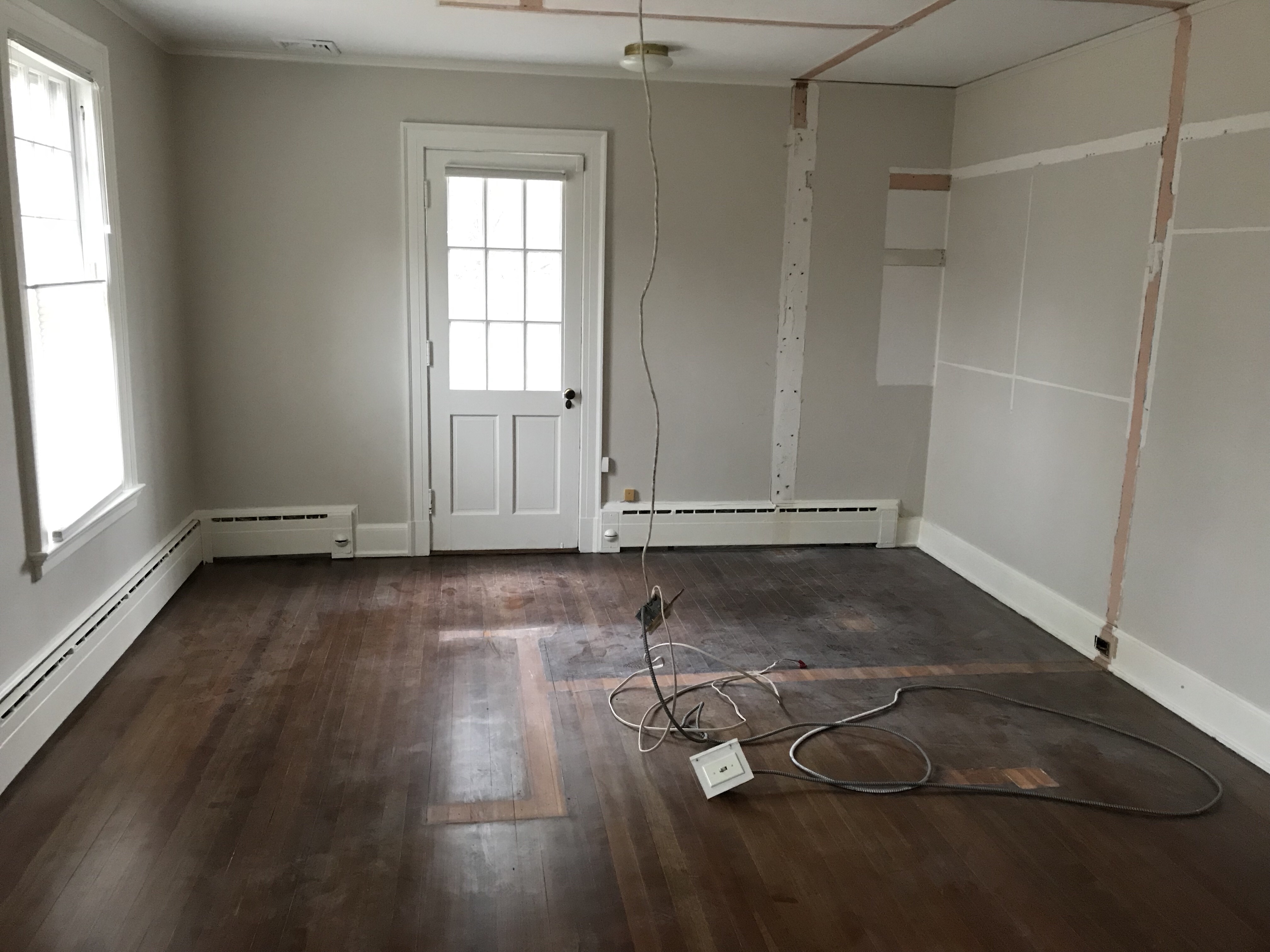
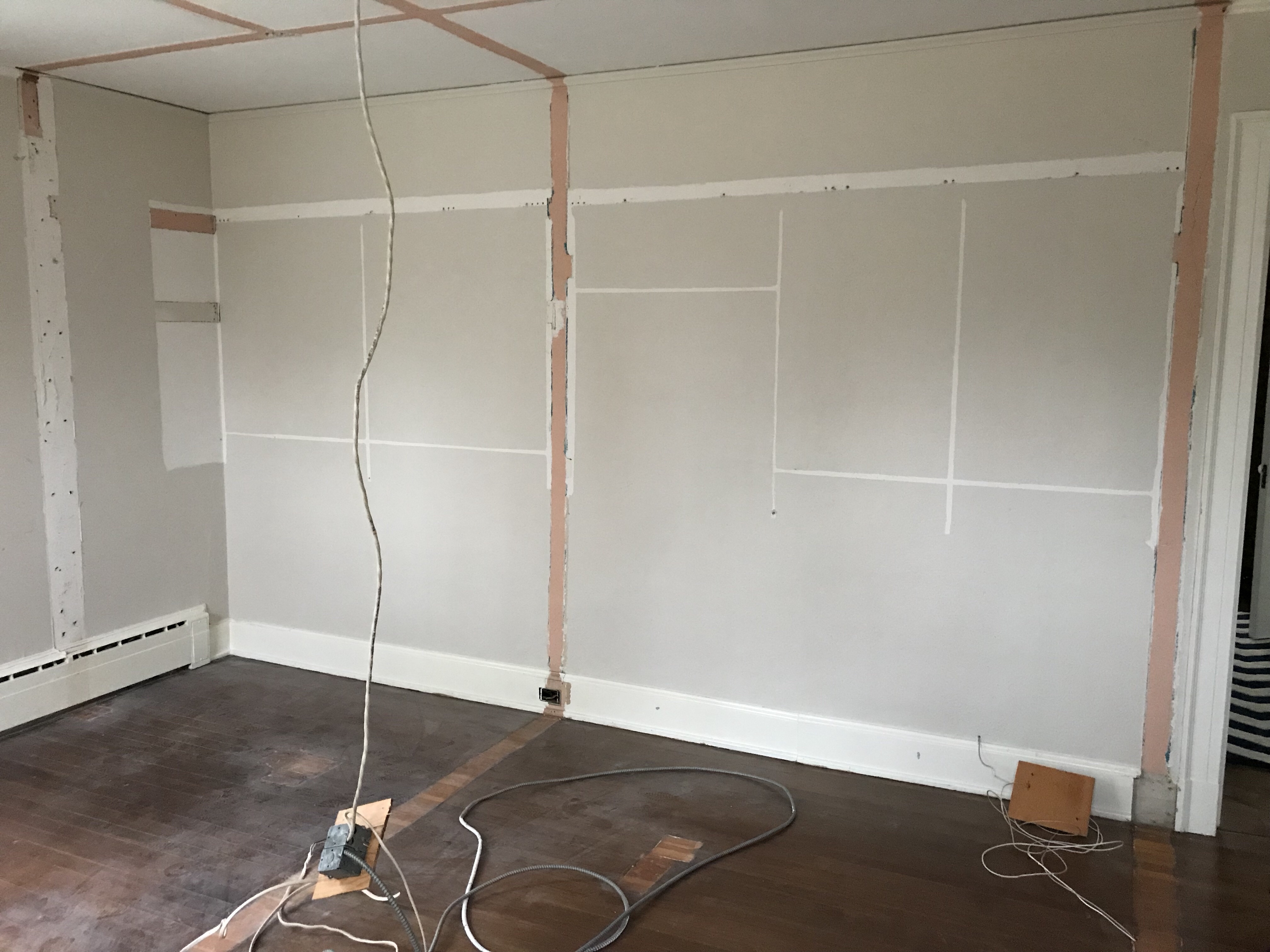
Today, after much planning and preparation we begin the kitchen!

Next: The plan and progress.

Pictures taken moments before demo (green tape to approximate location of new cabinets):

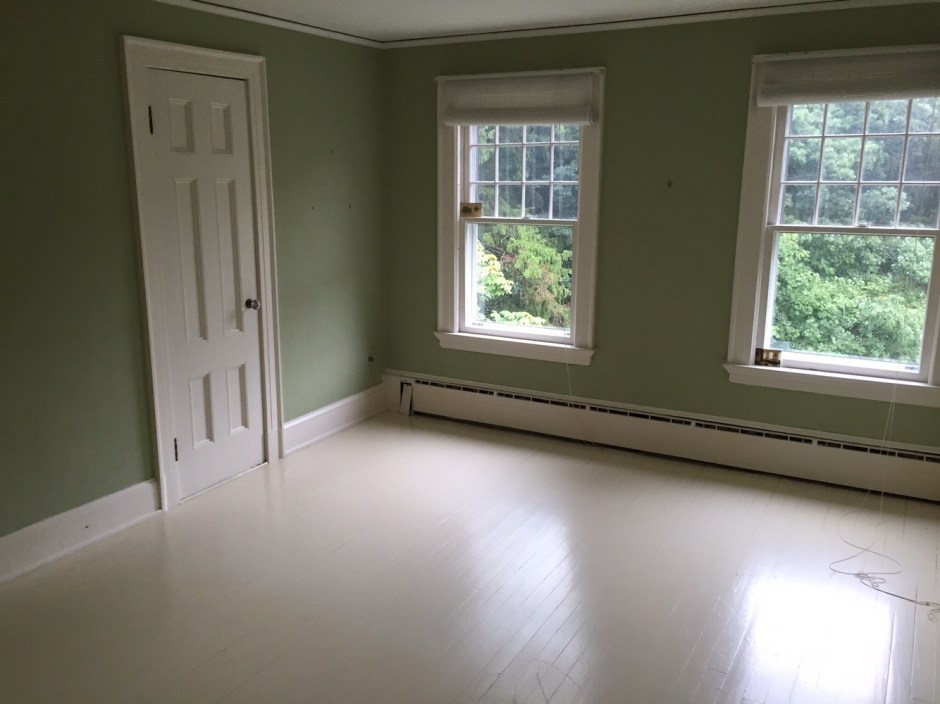
Blank slate.

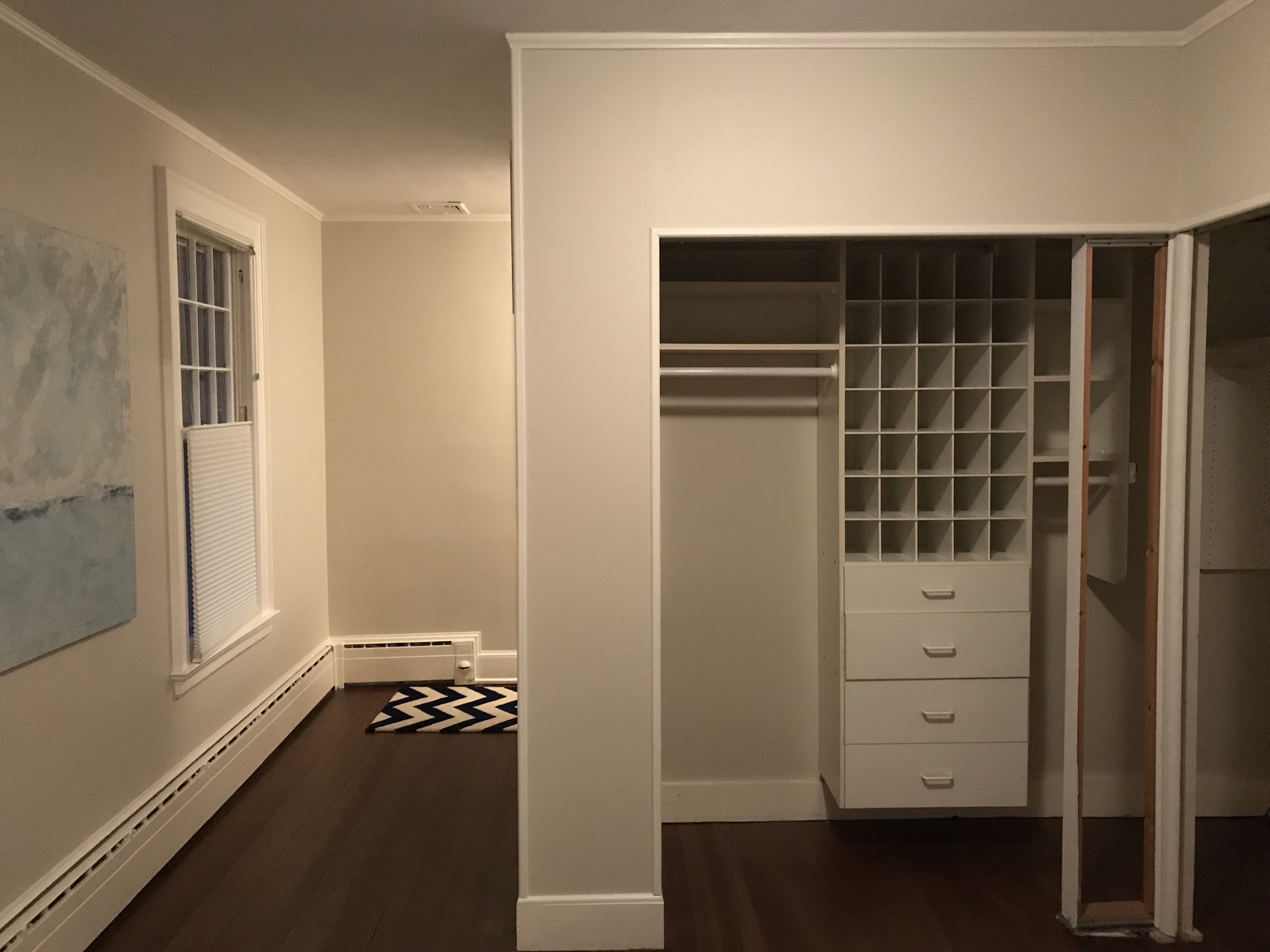
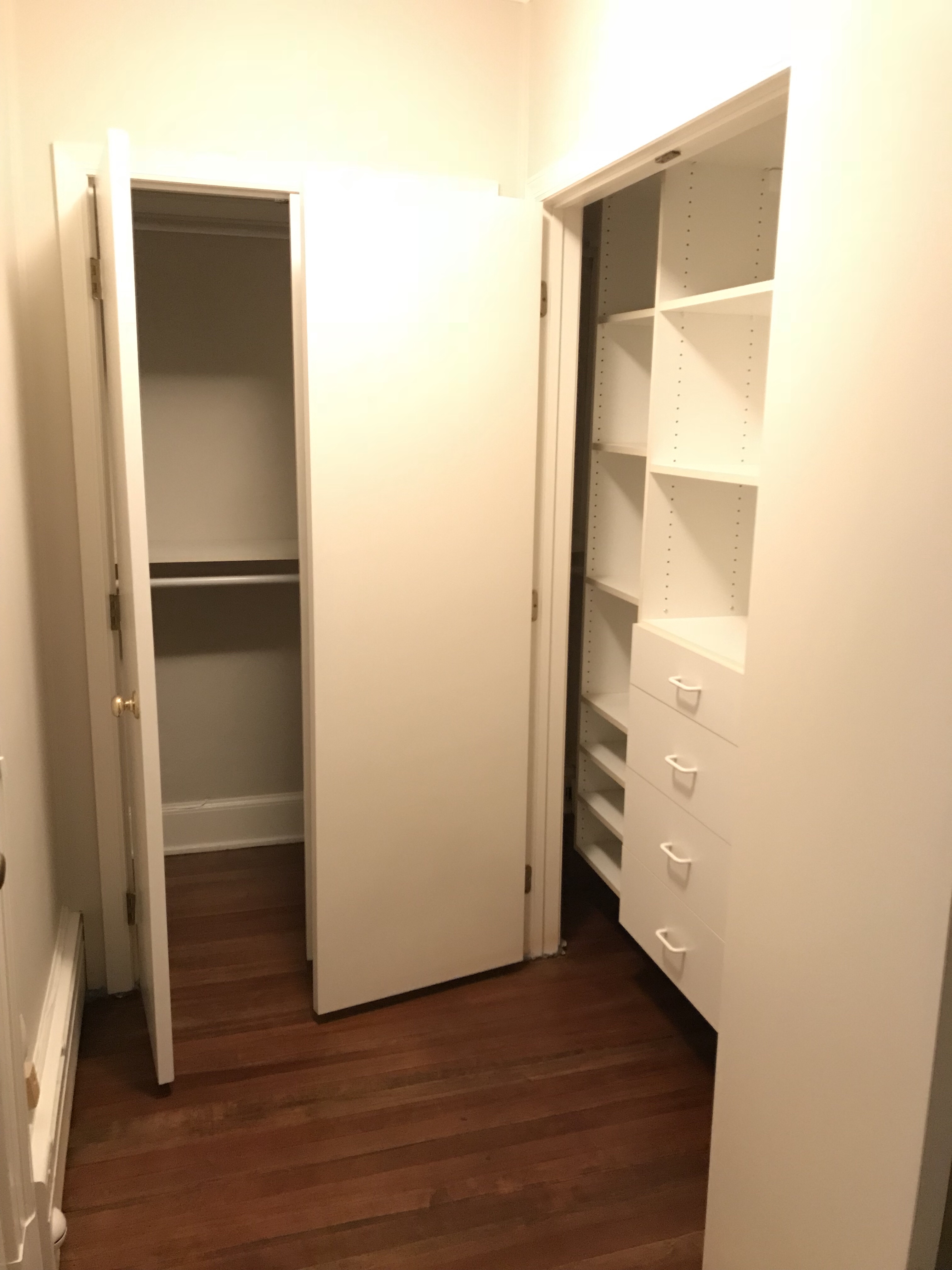
For some it’s January, but with school aged kiddos, the Fall signals the start of a new year and time for a fresh start.  What began as a simple closet clean out became a construction project- less than efficient master bedroom closet be gone!

The master is divided into two almost identical sized rooms.  One a bedroom, the second a “closet” or as I like to refer to it, dressing room (sounds much more 1920’s).  This dressing room also serves as the pass through to the bathroom.  With every project, our goal is to maintain the integrity of the home’s original craftsmanship.  As such, anything we do needs to be relevant to the year of construction (evidenced by our painstaking window restoration last year).  As a result, we will likely never reconfigure the space to include a spa like master bath, the existing one is redone and sufficient.  So why not make the closet something fabulous?

The original state.

img_0051

img_0054
First day closet pics. First step was carpet removal, floor refinishing and painting.

Initially we removed the mirrored closet doors, vanity and painted the space.

img_0077

This weekend we emptied the space of its contents (lots and lots to donate) and kept only what we use.  Then a call to our favorite contractor, and in less than one day all existing closet components and walls were removed.  The result, a blank slate.

Next:  prep and plan.

(Never)ending project.

img_2249

Warning- this post contains nothing pretty.  The fun part comes next!

Flashback to a year ago. Time to paint the 3rd floor.  Something easy to check off the list (or so we thought).  After a few failed paint samples, a call to Molly Hirsch Interiors resulted in a color palette that worked beautifully for the space, and not at all the initial direction (this is why calling in the experts is always a good idea).

The crisp new color scheme now called attention to the existing wall to wall.  So, a project within a project is born (there should be a word for that).

Seems every house we buy has some 20 plus year old carpeting to remove.  Time to teach the kids how to cut, roll and dispose of carpeting.  Or should I say show the kids how to do it and then complete the project ourselves.

Alas, the corner that led us to believe the floors were in great shape, made way to floors that needed lots of TLC.  Time to refinish.

The outcome, a fresh new look for an old space.

Next:  the results, room by room.

Raise the roof.

Beautiful.  Exciting.  Necessary.  At inspection we were told two years (at most) left in the existing roof.  A wild summer wind storm created a bald spot and shingles scattered in the yard, so yet another low priority project takes precedent over a fun one!

Even after several homes and many home improvements, this was our first roof project.  After (exhaustive) research, some things I learned and questions to ask of roofers (or contractors) you interview.

  1.  Licensed and Insured?  Ask for proof.
  2. References?  Request several and check them.
  3. How long have the employees worked for the company?  If the answer is more than several years, you’ll know the contractor likely pays their crew a fair wage and has good business practices.
  4. Shingle type?  Color and style should be up to you, but every roofer should have a preferred brand.  Ask them what they use and why.  If the roofer says, it doesn’t matter, think again.
  5. How many feet of ice and water shield?  Check local code (your roofing contractor will know), but more is better in snowy regions.  We added extra above the dormer window due to the low roof pitch.
  6. Itemize it!  Request an itemized estimate.  Chimney flashing and gutters may not be included and should be inspected (and if necessary replaced) during the the roofing process.
  7. Clean up.  Roofing is messy.  Nails, asphalt, tar and more.  Ask what the contractor’s protocol is for clean up.  A magnetic roller is the only way to guarantee a thorough job.

Glamorous, no, practical yes!  Process and finished product below.  And yes, highly recommend Chris from Able Roofing.

IMG_2180
25 years shingles more than 25 years old.

IMG_2443
Ice and water shield to meet local code. Extra coverage on the flat part of the gambrel and above the dormer to prevent ice damming.

IMG_2703
Original lead flashing works well until it is moved or repositioned when shingles are replaced. New copper flashing in place.

IMG_2704
For a gambrel roof, two pitches come together. Shingles should never be folded over, a ridge needs to be built. In this case copper was used to create the right divider between sections.

IMG_2490
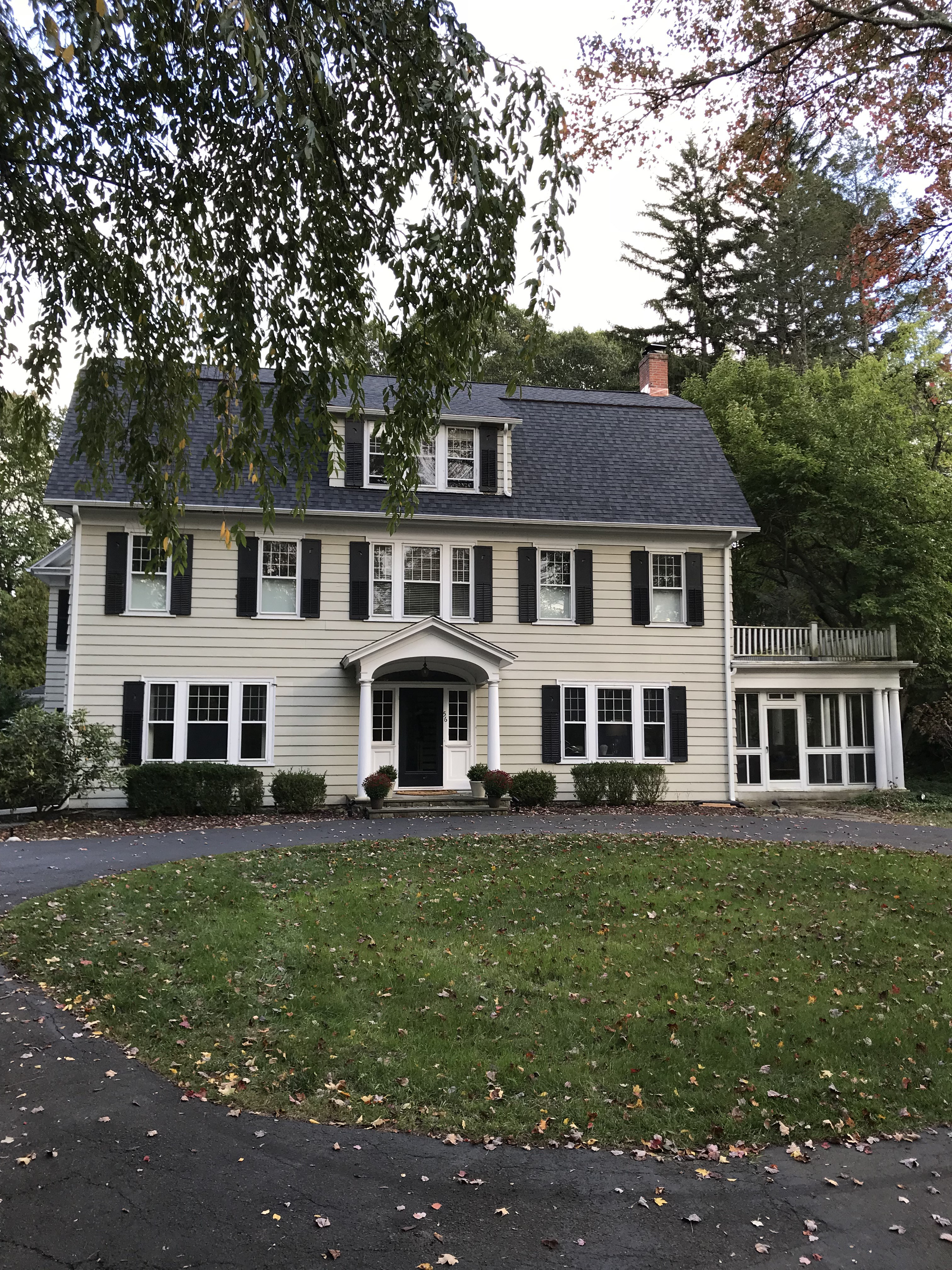
The finished product. If you look closely you’ll see the missing shutter from the same wind storm that precipitated the roof project. Add that to the list.

No flowers in this attic.  

During the initial projects (floor refinishing and painting), we inhabited the attic. Reactions to this arrangement ranged from surprise to disdain- the attic? A more accurate description- finished third floor.  Complete with indoor/outdoor carpeting and a color scheme to match, three rooms and a bathroom comprise the space. 

A small bedroom, nursery space and living room provided an apartment-like set up. Now that we’ve moved into the main and 2nd floor spaces, the attic is available for transformation. 

How do we make this space airy and bright, warm and welcoming?  The attic of the Serena and Lily flagship store in Westport pictured in Architectural Digest is dreamy.  A guest room, craft/playroom and office with the same look and feel would be divine!

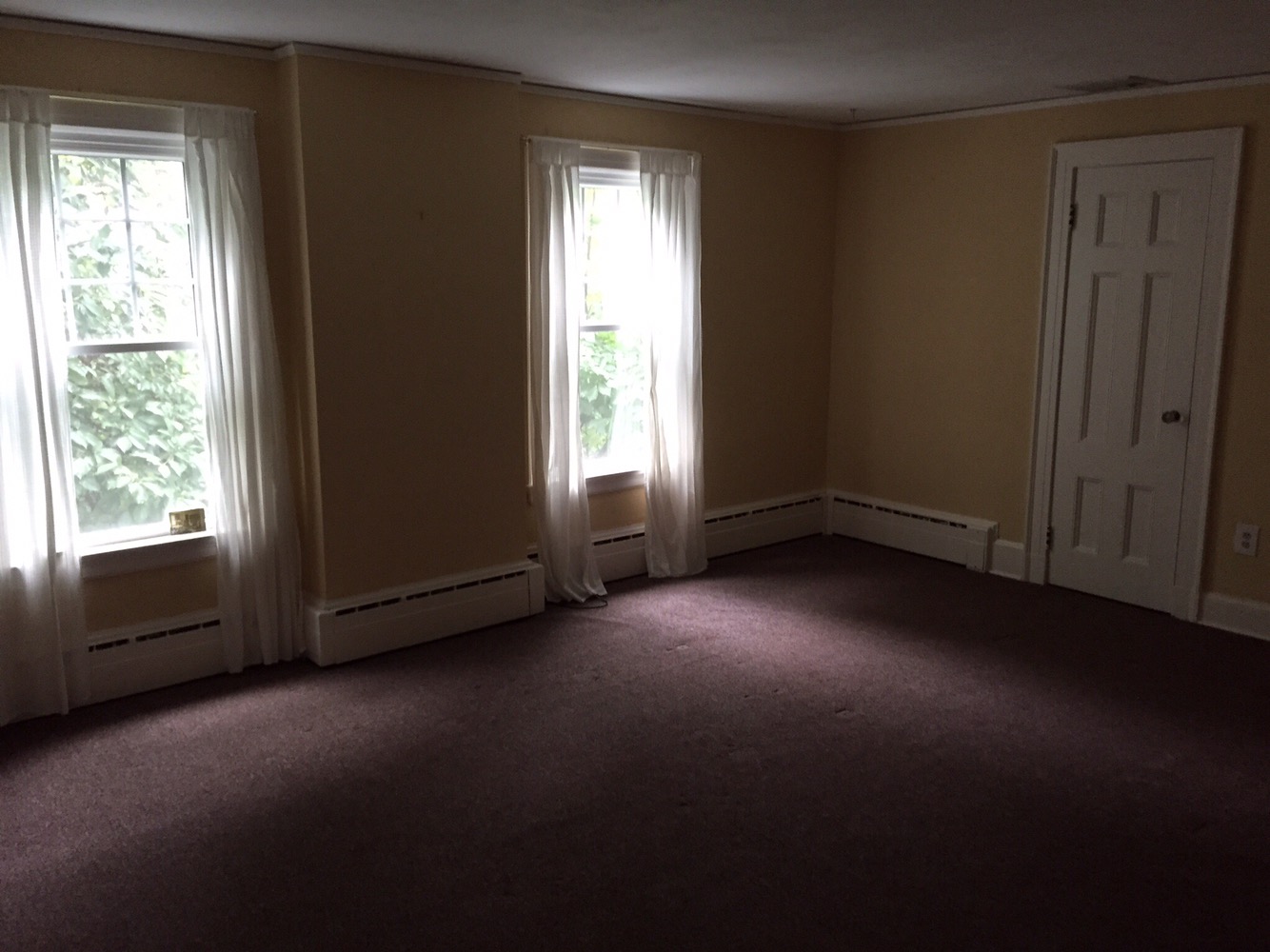
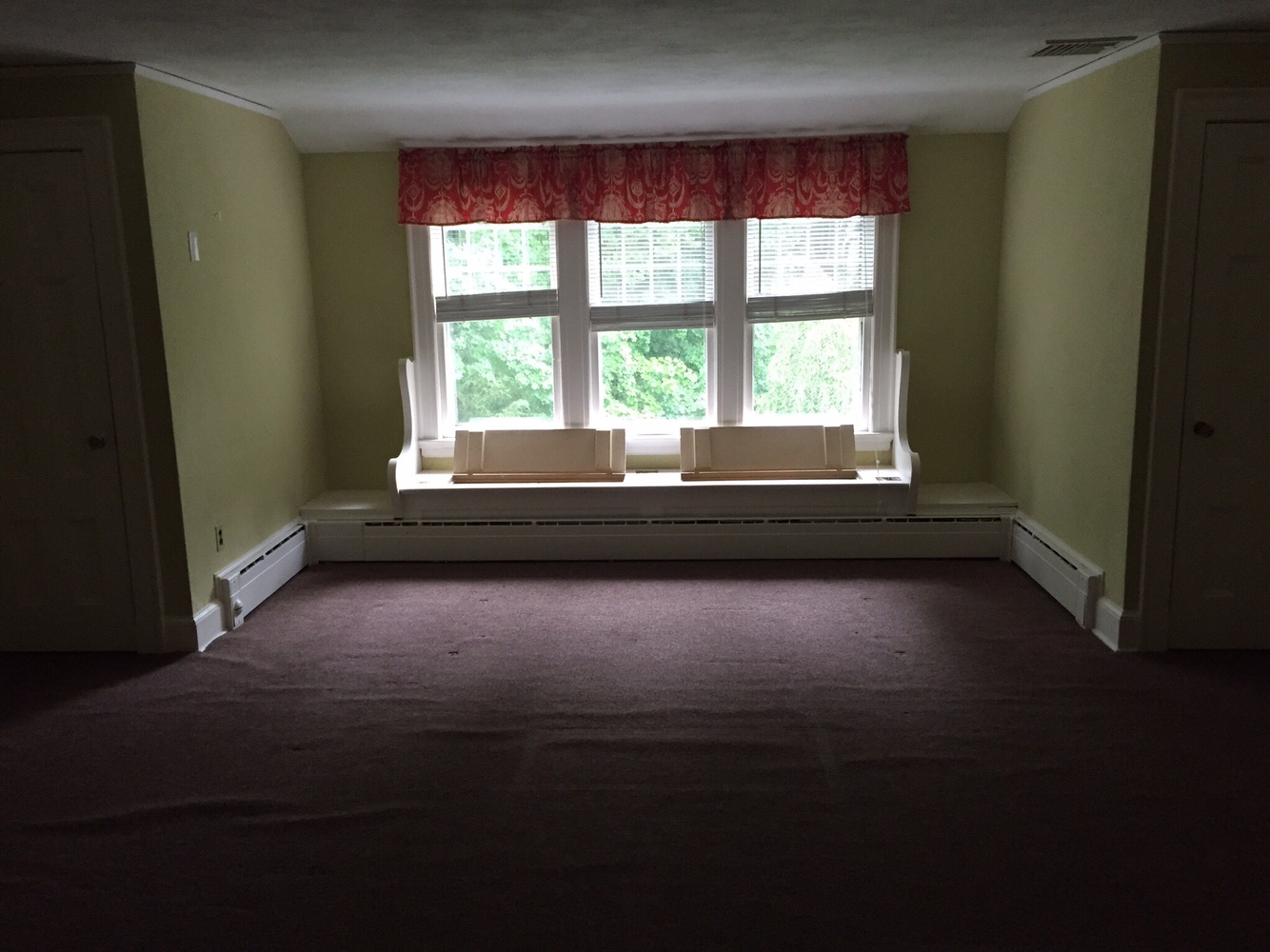
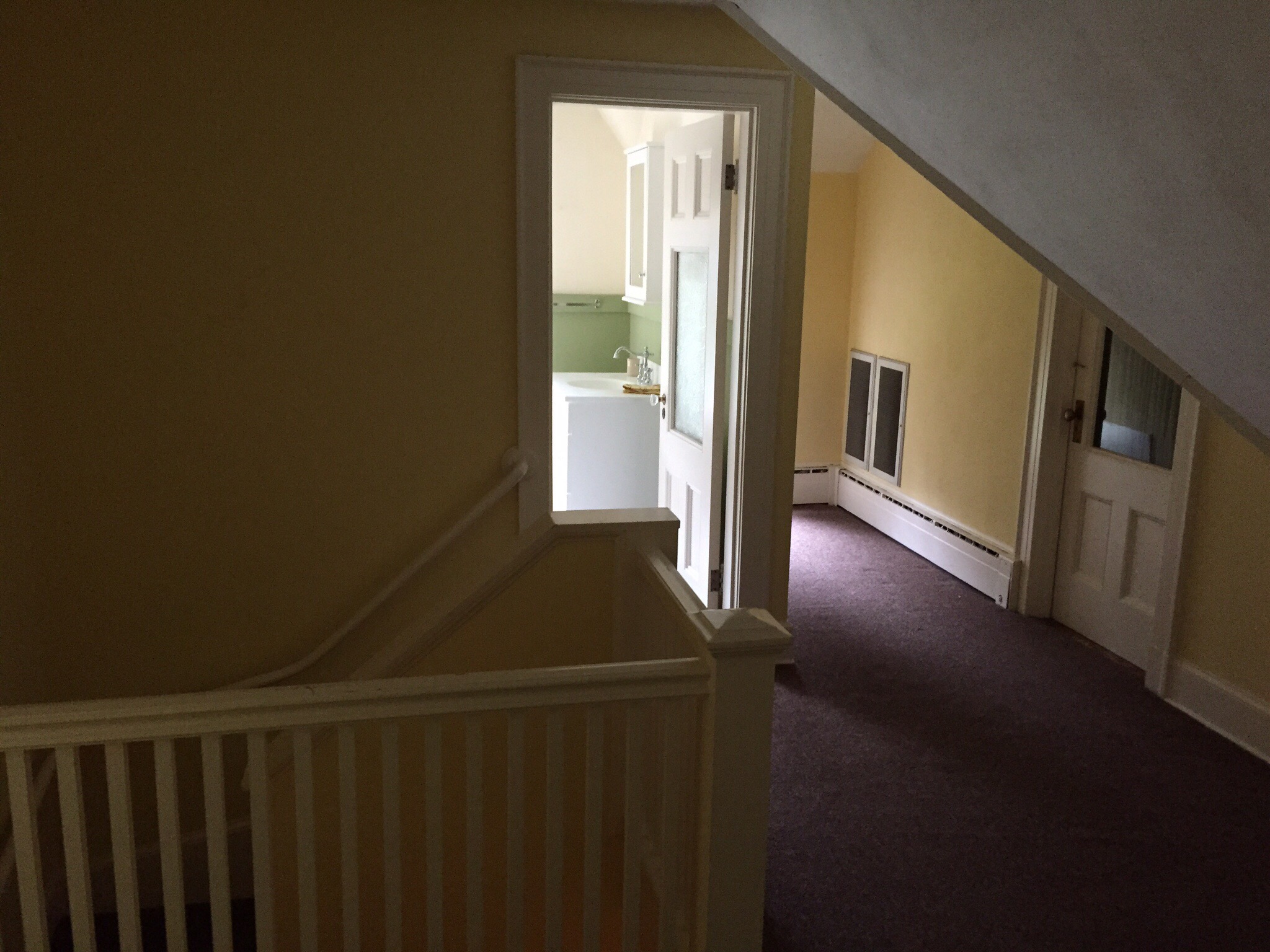
The less than sunny current state:


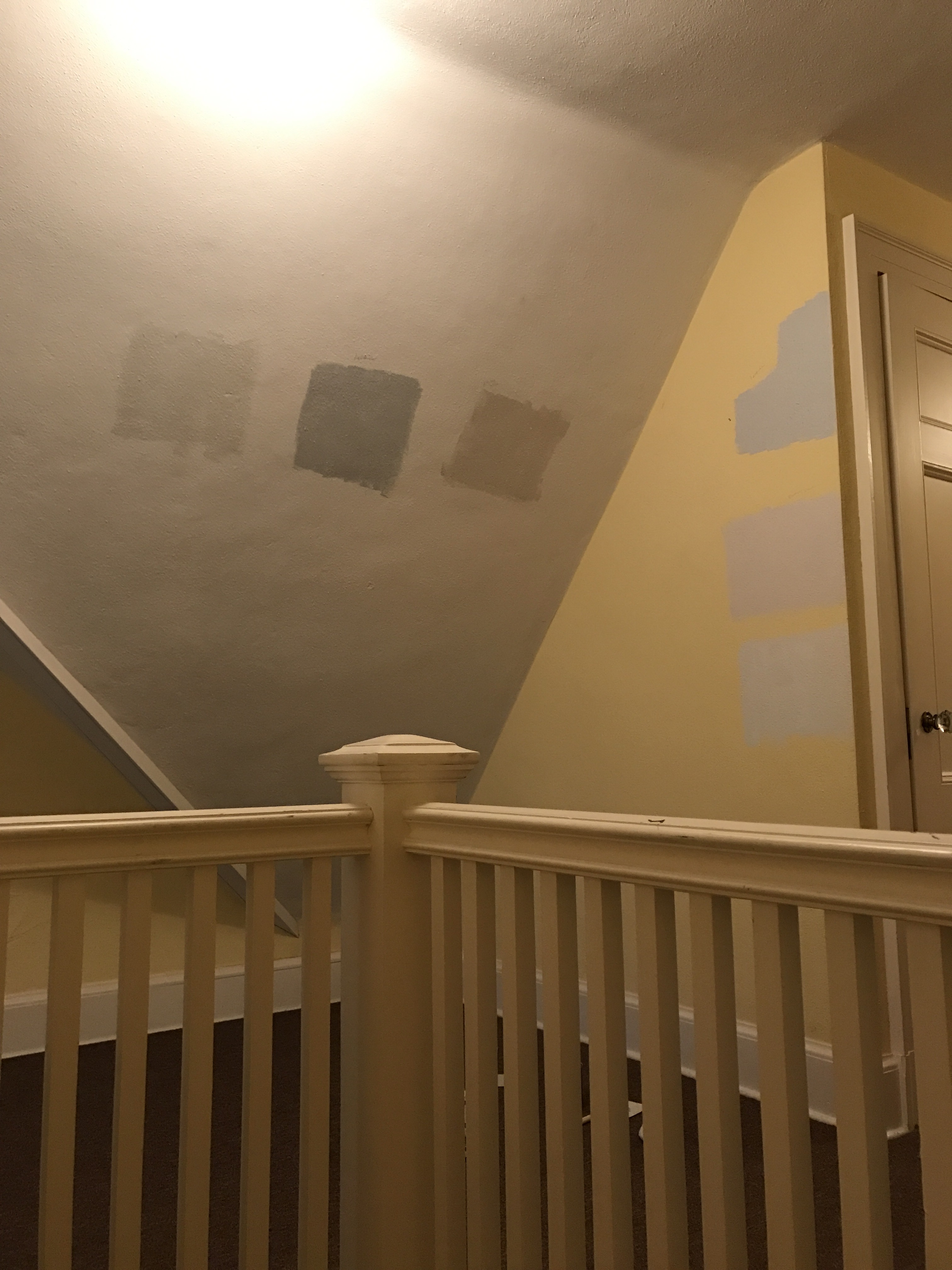
Paint samples- not quite right . . .


Up next: project plan and outcome!

Ring for service. 

In the center of the Dining Room floor, a small circle opening where a button once was. There are several of these around the house. The Living Room and Master Bedroom have the exact sized floor hole.

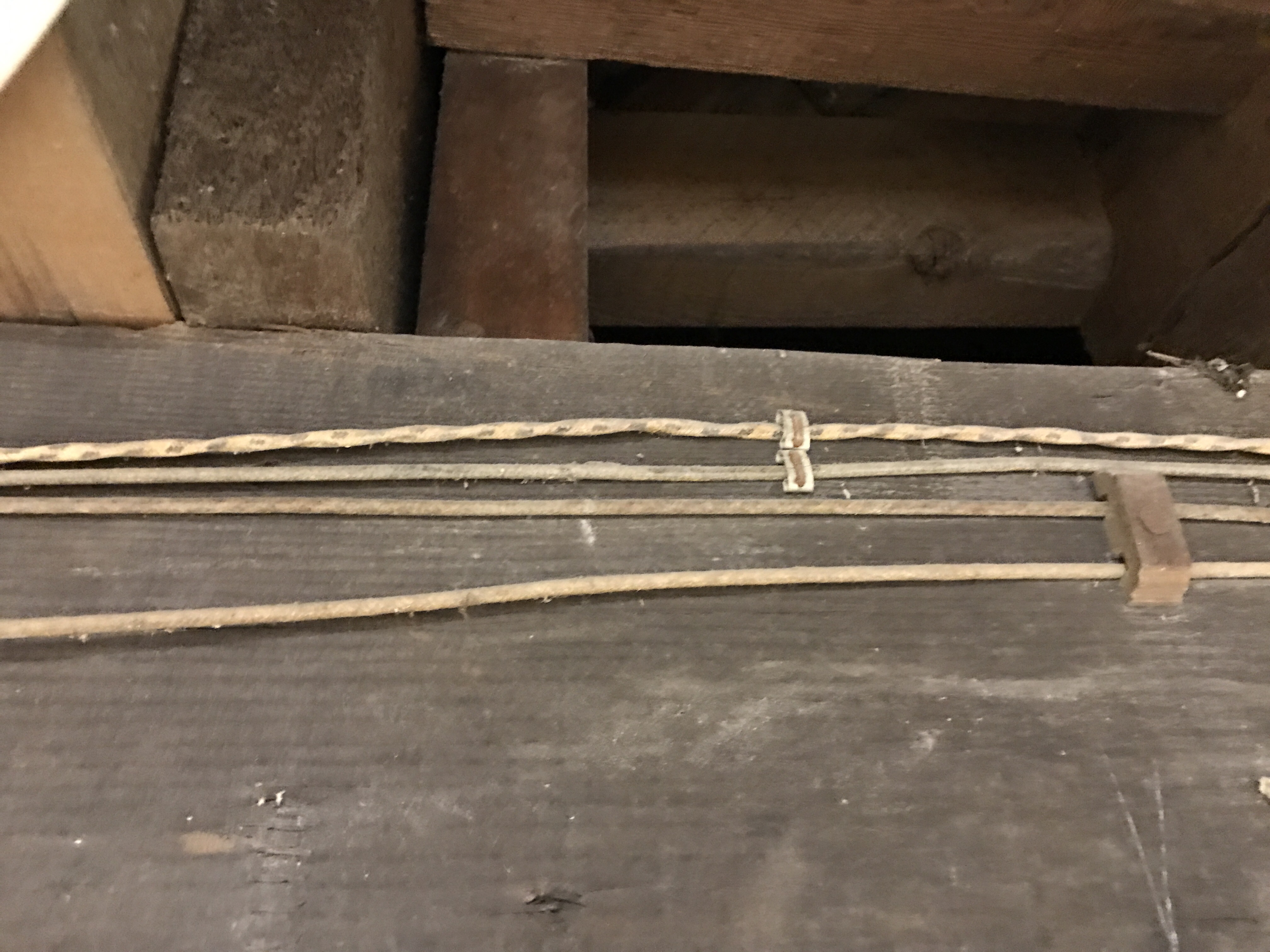
I asked every tradesperson and service provider who came to the house, no one knew. Our long time trusted electrician immediately said, bell system.  In the early 1900’s an interior bell system was used to summon the domestic help. The buttons were attached to wires that culminated in a central spot where those waiting to serve would be dispatched.

We’ve traced the wires to the basement where the summer kitchen was once in full use. In searching for more information I uncovered a detailed paper on the topic from the Clemson University Historic Preservation and Conservation Commons.  Sadly the buttons and panel were long ago removed, but the wiring is still in tact.


Try as I may, no one answers when I tap my foot over the spot, but it does make for interesting dinner conversation!

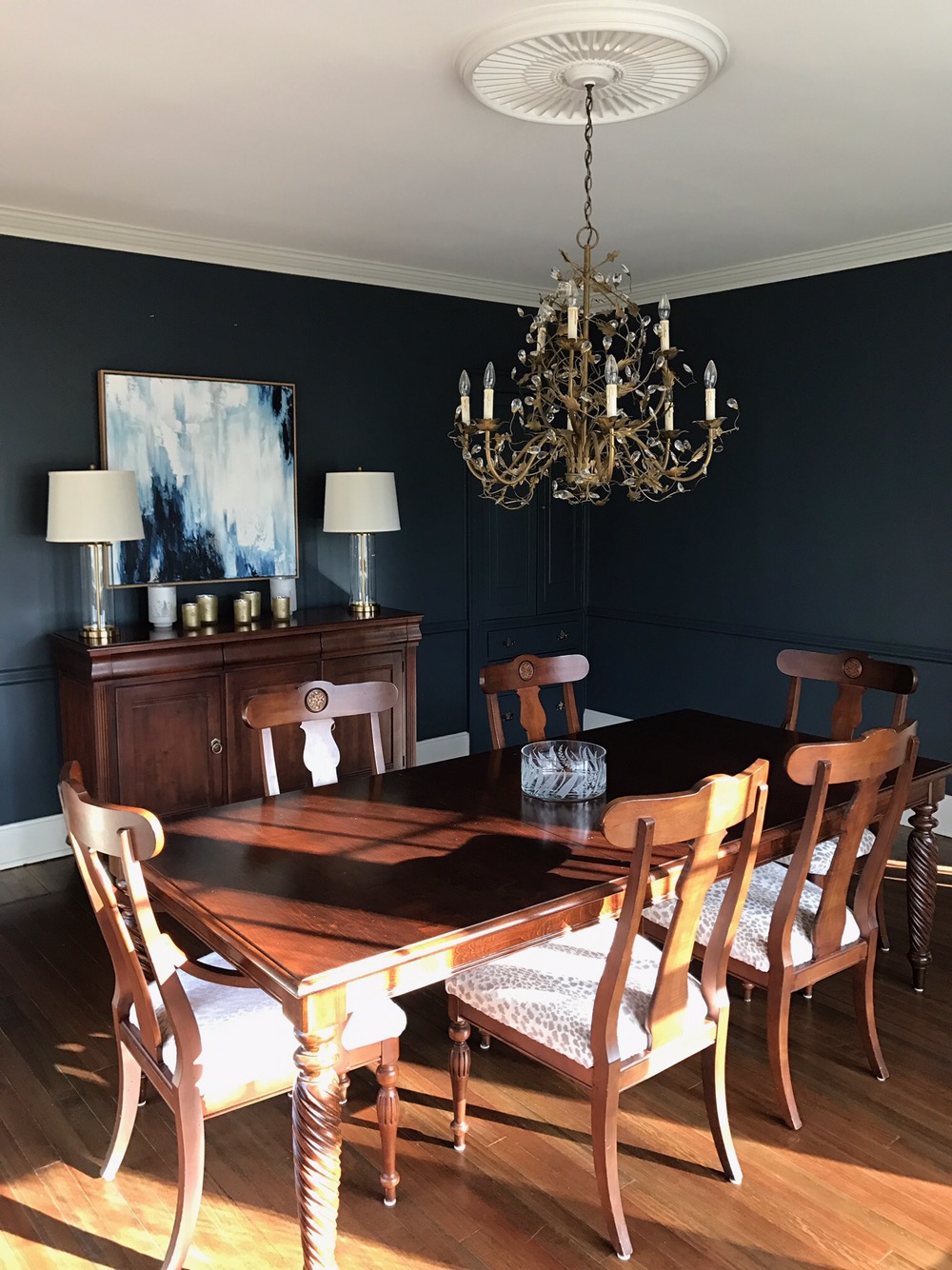
Pictured is the completed dining room. In the exact center of the room, an original electrical outlet and the hole where the button once was pushed to signal dinner service.  Imagine the Butler waiting in the pantry . . . now back to reality!

Design and details:

This Dining Room room furniture has served us in every one of our homes. A tight squeeze in our townhouse, these chairs have been reupholstered more than a half dozen times. Come to think of it, time for a refresh!

img_0116

The window treatments were in the Living Room when we purchased. The Dining Room windows happen to be the exact size of those in the Living Room. Good bye cornice, the dupioni silk panels looked like new after a professional cleaning. The clincher, thanks to a talented local seamstress, some amazing new trim and incredible hardware- these drapes have a new identity!  Their “before” state and now.

Last, but certainly not least, we painted the hidden storage closet to be just that- hidden!

More completed rooms and interesting discoveries to come!


The (im)perfect pair. 

Now, standing in the finished space the process seemed simple. In truth there were numerous iterations to determine the ideal state. Anything is possible with an unlimited budget and a clean slate. Modifying an existing space with modern amenities without creating the feel of the “new” part of the house is borderline miraculous.

Siburtek and Limekiln Studios are a husband and wife team who themselves own an older home. They understood and appreciated the 1920’s attributes and worked with great care and expertise to maintain the character and quirkiness while creating a functional and beautiful space.

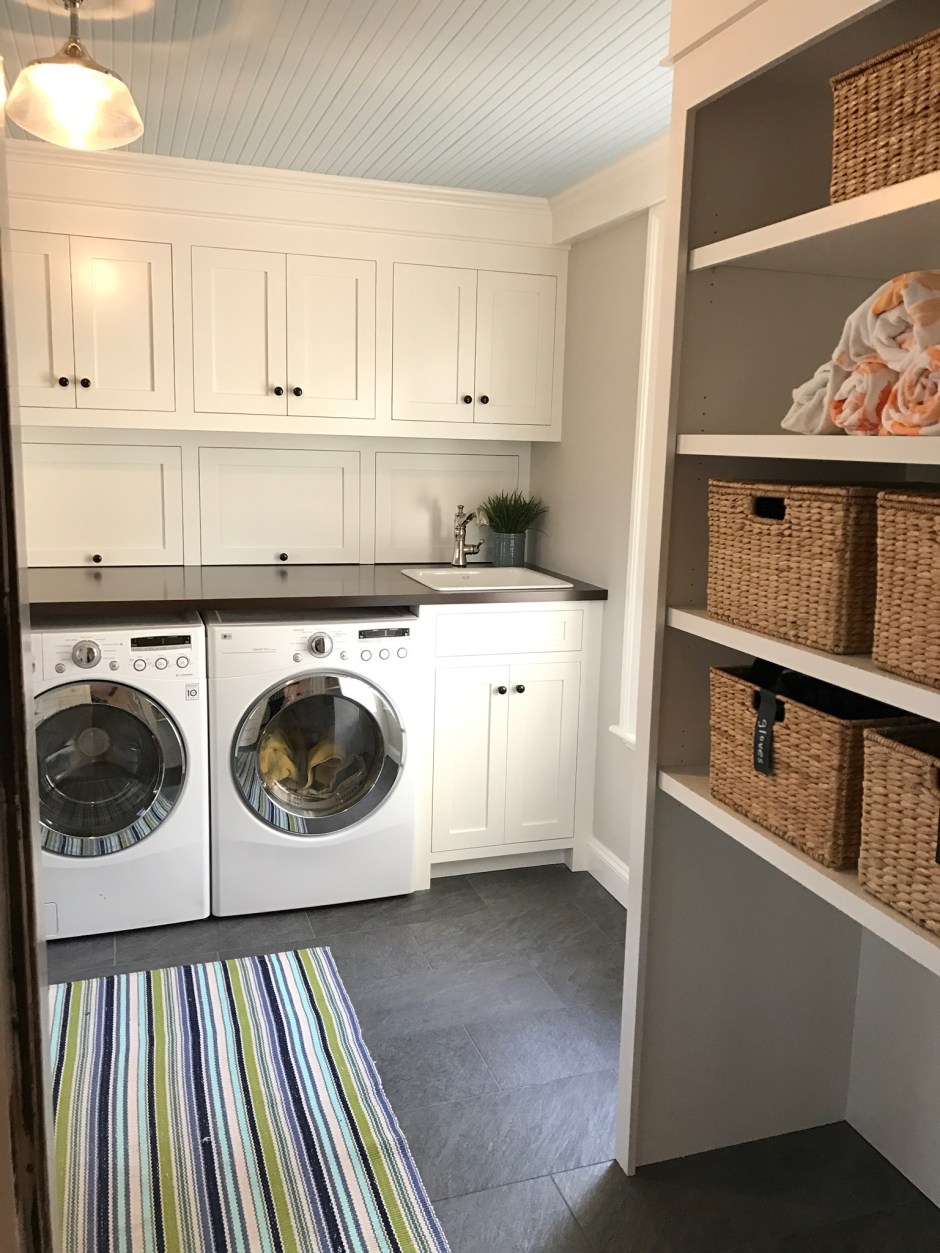
And they were patient. Very patient. I like the details and wanted input on all decisions.  The result- a paired laundry space and mudroom in a creative and highly functional way. On budget. It is a miracle!

Every last detail & resources:

img_0073

Inset cabinets to mimic those in the Butler’s Pantry.  Porcelain knobs from Rejuvenation are period relevant and the right scale.  This Kohler porcelain sink and faucet with pull out spout is both beautiful and functional.  Laundry stains and dirty hands beware!

The countertops are wood finished in a walnut stain.  The school house pendant (another period reproduction) is from Capital lighting– the look we wanted at a very reasonable price!

All the paint is Benjamin Moore:  cabinets are White Dove, ceiling is Polar Ice and walls Rodeo.

img_0064

Radiant heat was added to the floor- dreamy on a snowy day.

To maintain the feel of an enclosed porch we chose incredibly durable Italian porcelain tile that looks like slate, but won’t stain with the dirt and salt the troops track in.  Another budget friendly choice.

img_0068

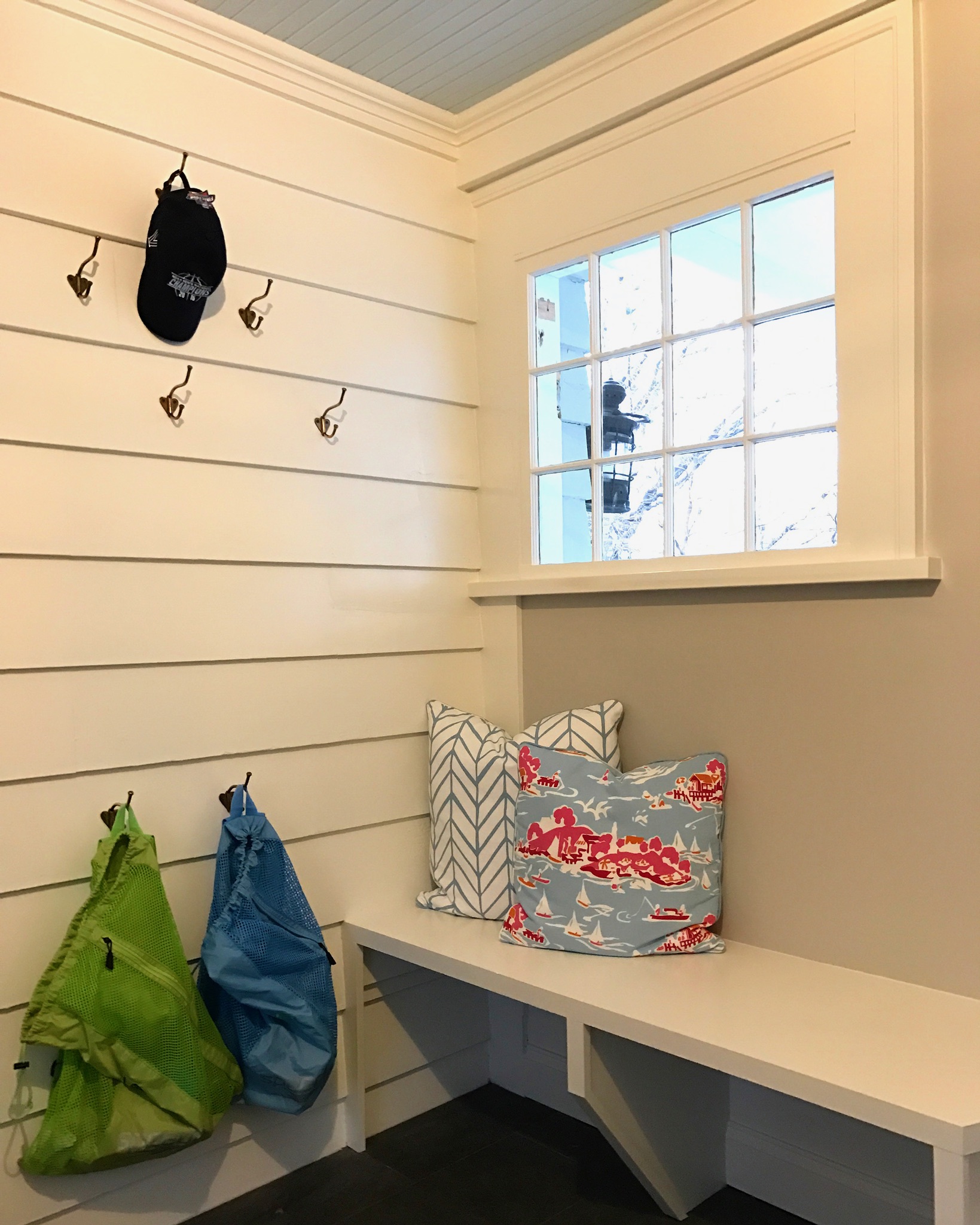
A bench with lots of room underneath for shoes, boots and whatever else gets dropped here.  Pillows were made from Serena and Lily shower curtains.  Yes you read that correctly- canvas shower curtain material is durable and significantly less expensive than fabric by the yard.  Plus no stress if they get stained or damaged!
img_0079

We left the original siding (remember this was once a porch) to maintain the authenticity and story of the house, then added lots (and lots) of hooks for hats, jacket and bags.  Found these vintage 1920’s heart hooks on Etsy.

img_0071

Last but certainly not least shelves for everything we need from hats and gloves to beach towels!  The open space below- room for the piece de resistance and splurge- a 1920’s reproduction laundry cart!  On it’s way from Rejuvenation this gem will revolutionize the laundry process (or atleast keep the dirty clothes from being dumped on the floor).  Told you this was imperfect!

Next: a discovery. 

Hit the floor. 

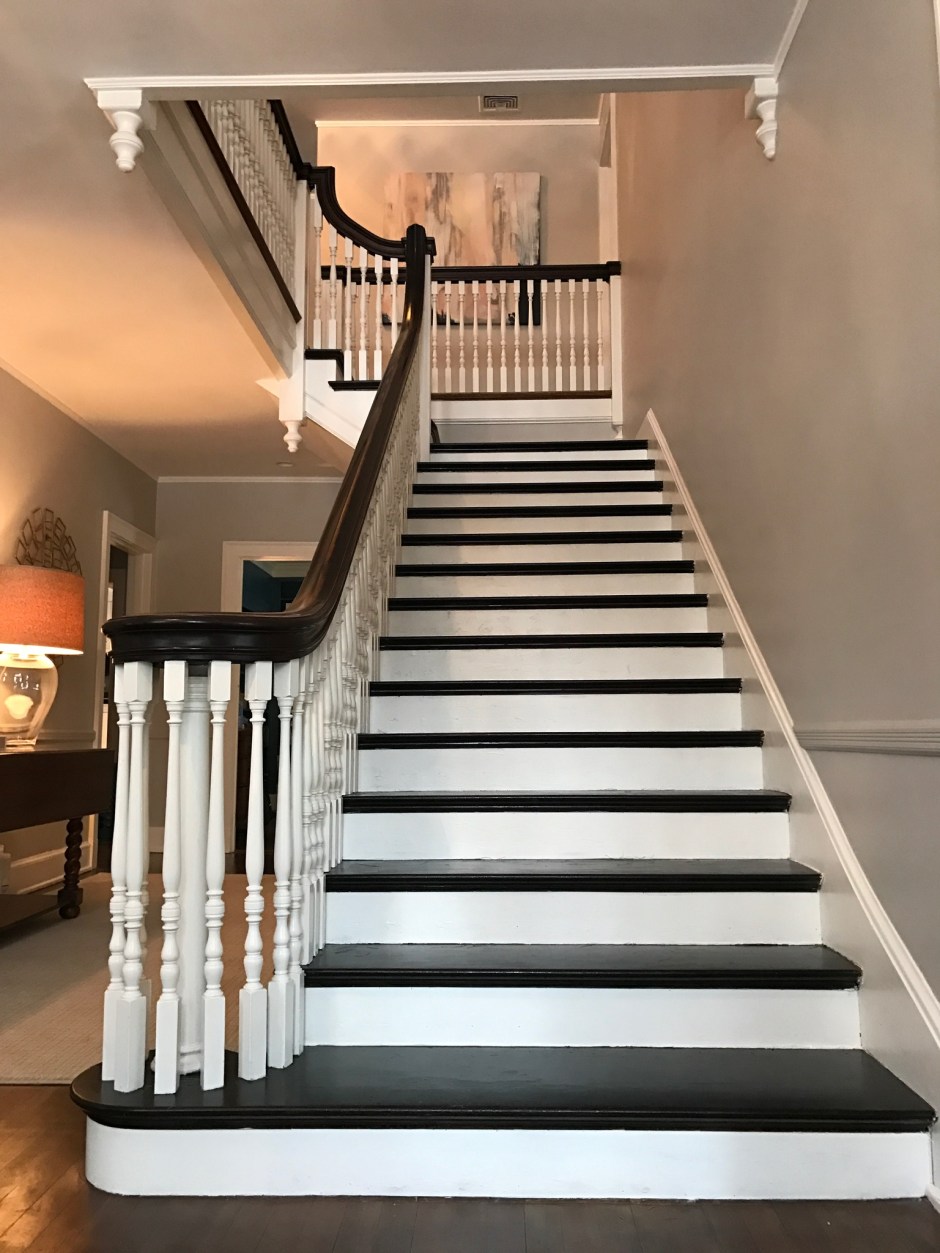
Lurking below the white wall to wall carpet- gorgeous fir wood floors.

In my opinion only the truly brave and skilled should attempt sanding and refinishing of floors. In no time a weekend warrior armed with a high powered floor sander could make dust of one of the home’s best features.

After seeking referrals from friends, we selected a highly recommended floor expert with experience in older homes.  Once sanded, decision time- leave their natural color or add a stain to the floors.

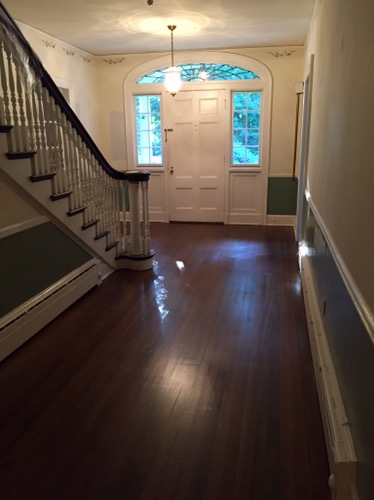
Fir is a grainy almost blonde wood. The problem with a clear finish is that due to sunlight and general light exposure the floors tend to yellow over time. We selected a shade of brown that was deep enough to highlight the wood’s natural beauty but not so dark that the floors would show every dust particle (after all the imperfect home has dust).   Testing the stain on a small area is a must. We selected “Special Walnut” a Minwax stain that appeared entirely different on the sample card than on our fir floors, hence the importance of test samples!

For the finish clear coats we opted for a water based, commercial application approved green product sold by the Bona Company.  This alternative is just as durable as its oil based competition, but far more durable for high traffic (think basketball dribbling in the foyer) and allowed us to stay in the house (no fumes). The other benefit- floors can be walked on the same day.
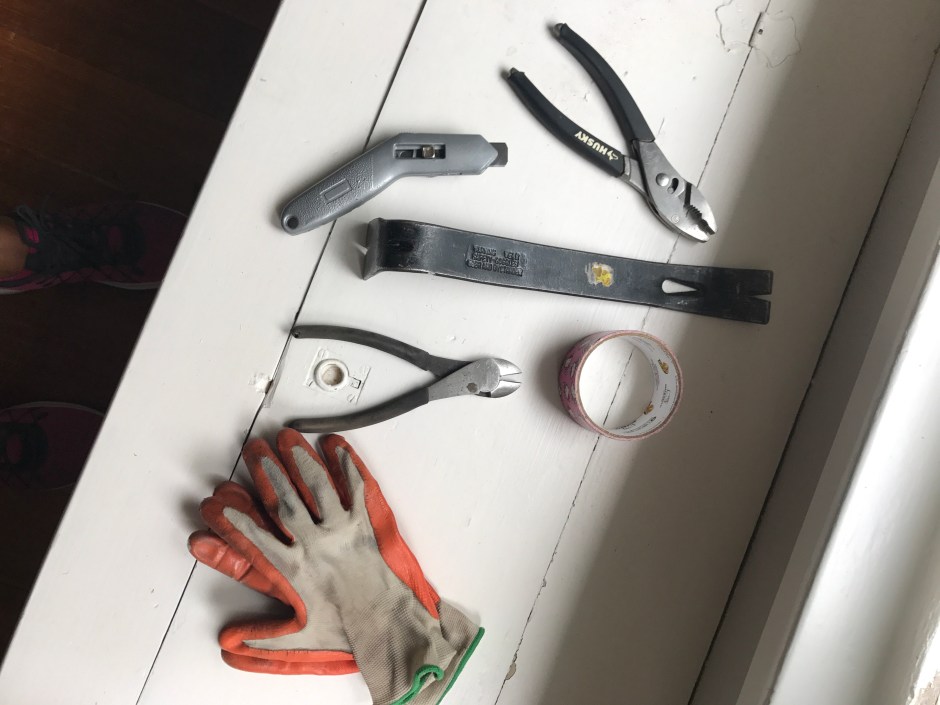
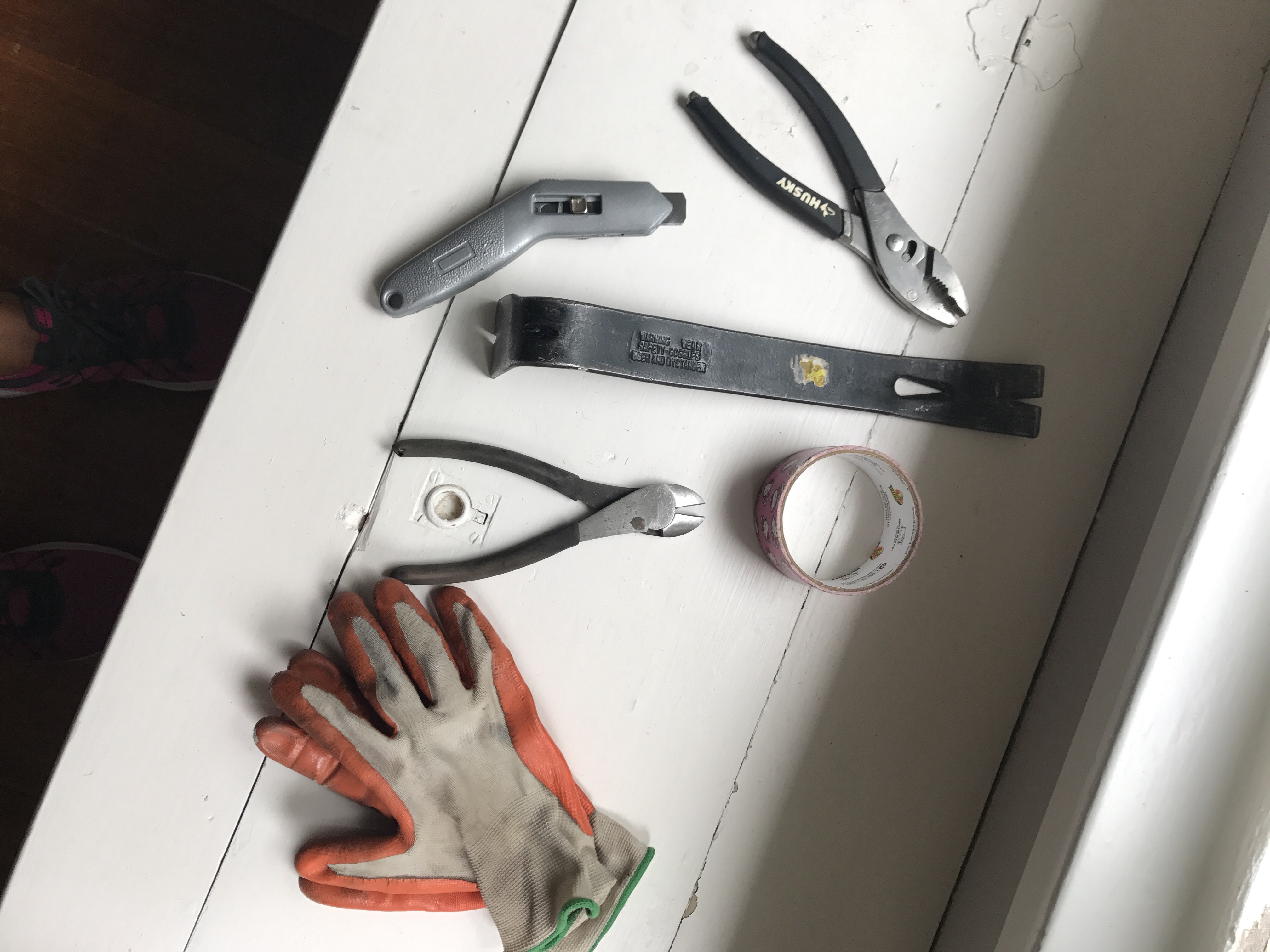
One last thing- the floor refinisher does not want to rip out your wall to wall!  Therefore they charge a significant cost for removal.  Grab some work gloves and a sharp blade- enlist your amazing new neighbor and your father-in-law and get to work!

Minwax Stain Selector

Bona Floor Refinishing Guide

The journey and the results.  Painting and floors were completed simultaneously.  Messy, but efficient and so much easier before the furniture is moved in!

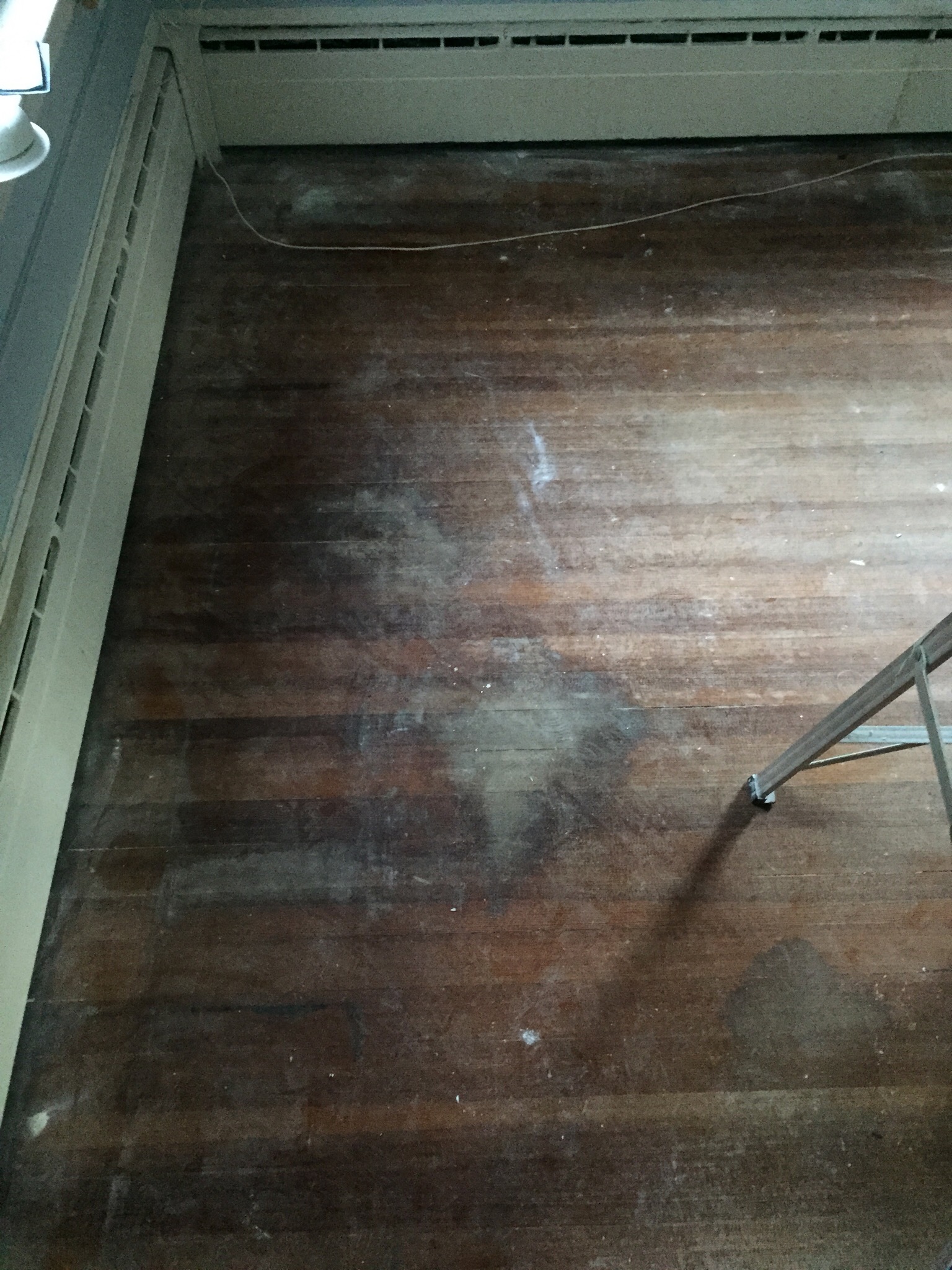
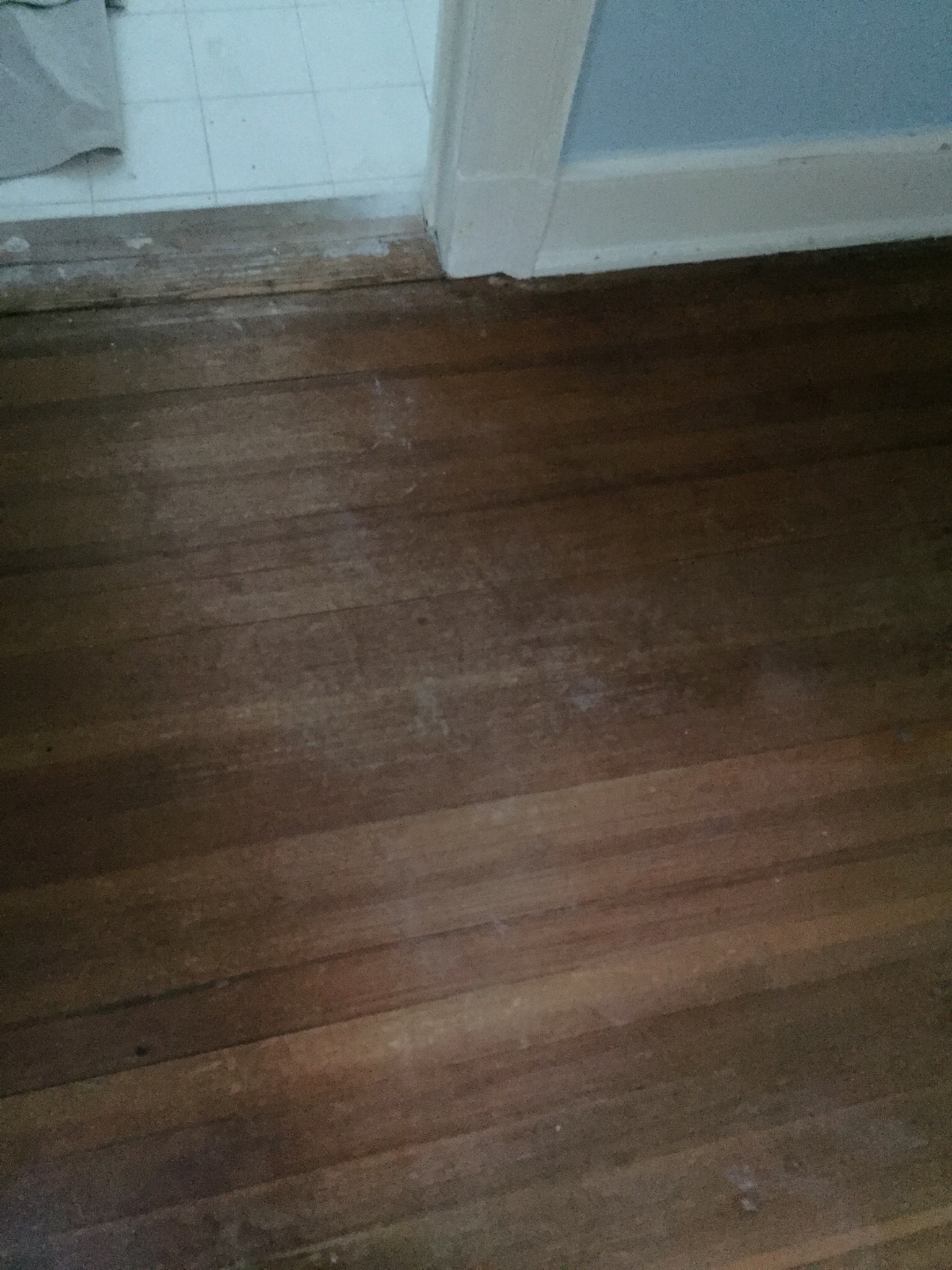
These floors need work!

Significant discoloration.  Is that magic marker?

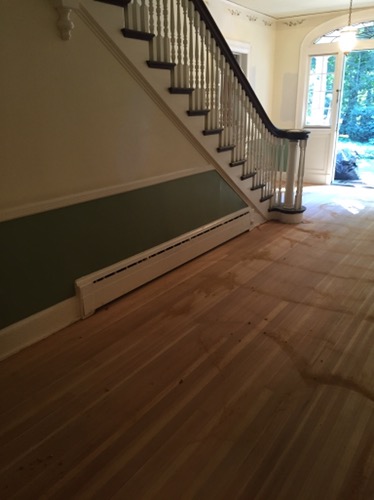
There is hope for these floors.

Amazing floors lurk below years of wear.

Lots and lots of saw dust.

Transformation underway.

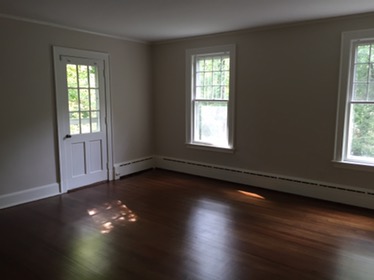
Transformation complete.


Follow Branchville 1923 on Instagram for more photos of the finished product.

Next:  Windows.